Who’s afraid of wicker furniture?
Ashley E. Williams
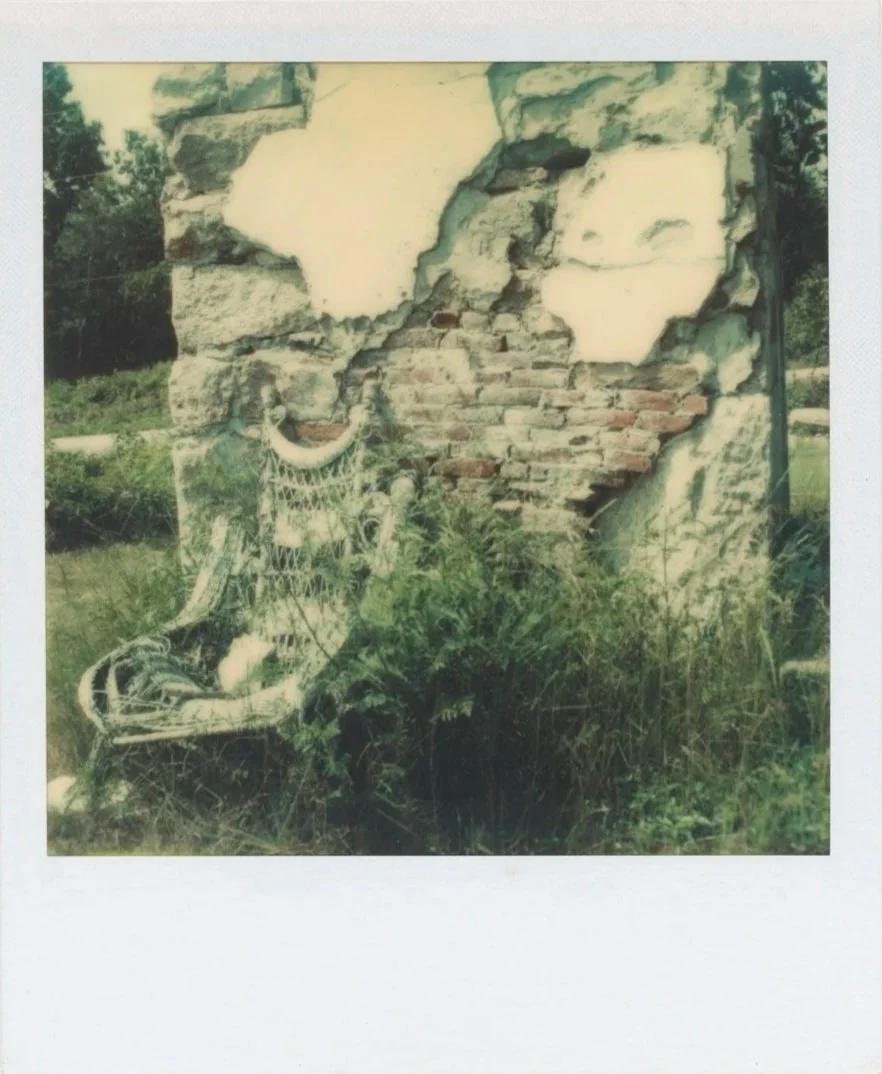
Walker Evans, Untitled [Wicker Chair and Brick Ruin in Field, Rhode Island?], June 29, 1974. SX-70 Polaroid print. (image): 3 1/8 × 3 1/16 in.; (sheet): 4 1/4 × 3 7/16 in. Yale University Art Gallery, Gift of Eliza Mabry and Jonathan Gibson, 2015.23.239. © Walker Evans Archive, The Metropolitan Museum of Art, New York. Image from Yale University.
The wicker chair sags into the overgrown weeds. Fronds of greenery pierce the chair’s lattice work, threatening to unravel it into the fibers that once grew wild. Tired and forlorn, the chair leans into the decaying brick wall as if appealing for support. Walker Evans took many photographs of chairs, but for me this 1974 Polaroid evokes the scholarly neglect of wicker furniture—especially that made in the late nineteenth and early twentieth centuries.
Wicker is often misunderstood. Though many assume it is a material, it is actually a technique—that of weaving plant fibers. Common materials include willow, rush, bamboo, and rattan—the latter is a type of climbing palm found principally in East and Southeast Asia. Wicker has been with us for ages: from woven furniture in ancient Rome to caned seats in early modern Europe. In the United States, Cyrus Wakefield began upcycling Asian rattan that arrived as ship ballast in Boston harbor in the 1840s, transforming it into a new kind of furniture. It wasn’t until his Wakefield Rattan Company display at the 1876 Centennial, however, that a wicker craze swept the United States.
That fashion lasted for decades, eventually shape-shifting into more restrained Modernist forms. In a few cases—Marcel Breuer’s Cesca chair, 1970s Boho living room sets, sleek accent chairs at CB2—those forms retain their cool to this day. Wicker from the Gilded Age, however, is the stuff of antique stores and attics. It’s seen as cloying and frivolous, rarely collected by museums, devoid of scholarly interest. The problem is largely one of absence, and therefore, lack of perceived value. The materials degrade faster than hard woods, and wicker furniture was often enjoyed in spaces of indoor and outdoor leisure: parlors, conservatories, gardens, ocean liners, tennis clubs, and beaches. As a result, much furniture was exposed to sun and rain, which contributed to an aura of disposability.
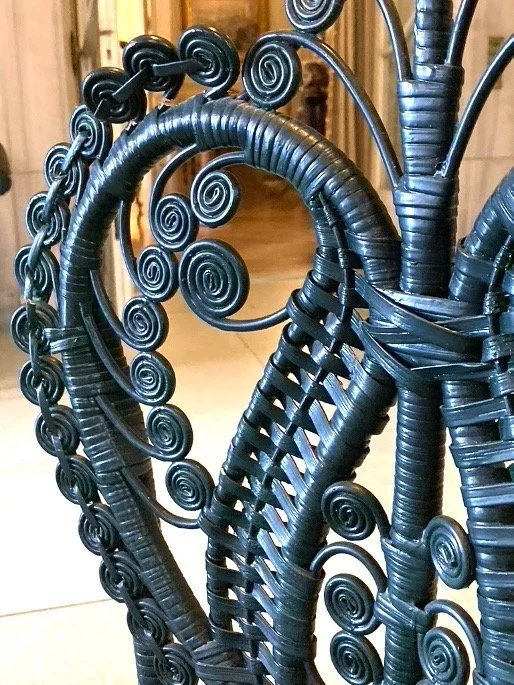
Detail of side chair, Wakefield Rattan Company, late nineteenth century, painted rattan and bamboo?, The Elms, Preservation Society of Newport County, photo by author.
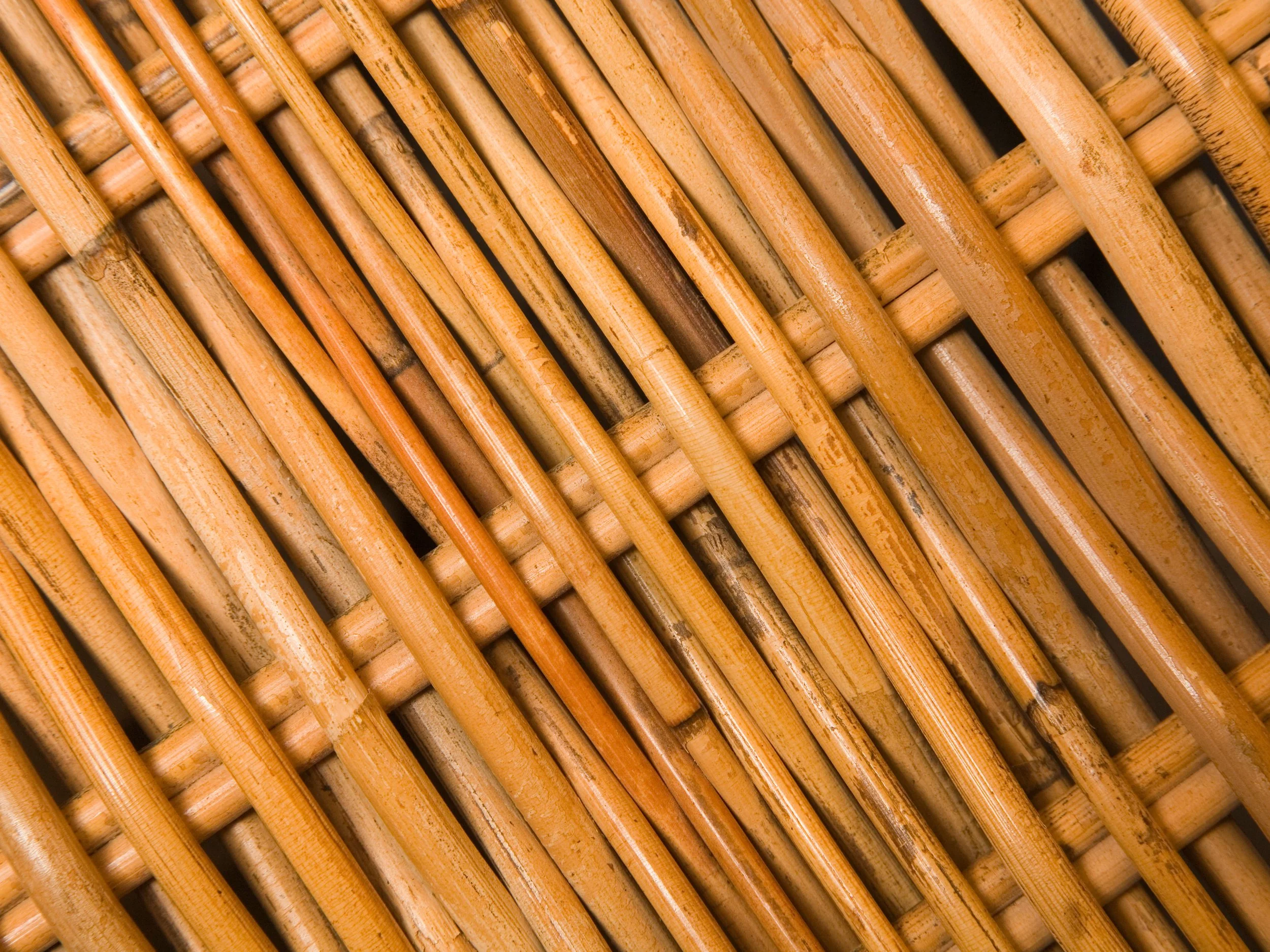
Detail, P. Maguire, (photograph of rattan furniture), 2007. P. Maguire / Alamy.
But the rocking chair in Evans’ photograph was once majestic—as we can see from a surviving example in the collection of the Yale University Art Gallery. Wicker from this era of bold experimentation was sculptural, effectively a form of basketry for supporting the human body in repose. A single design often includes multiple weaves, from tight-work to open lattices to chains, wraps, coils, braids, and even pictorial imagery. The ornament often playfully obscures the supportive frame.
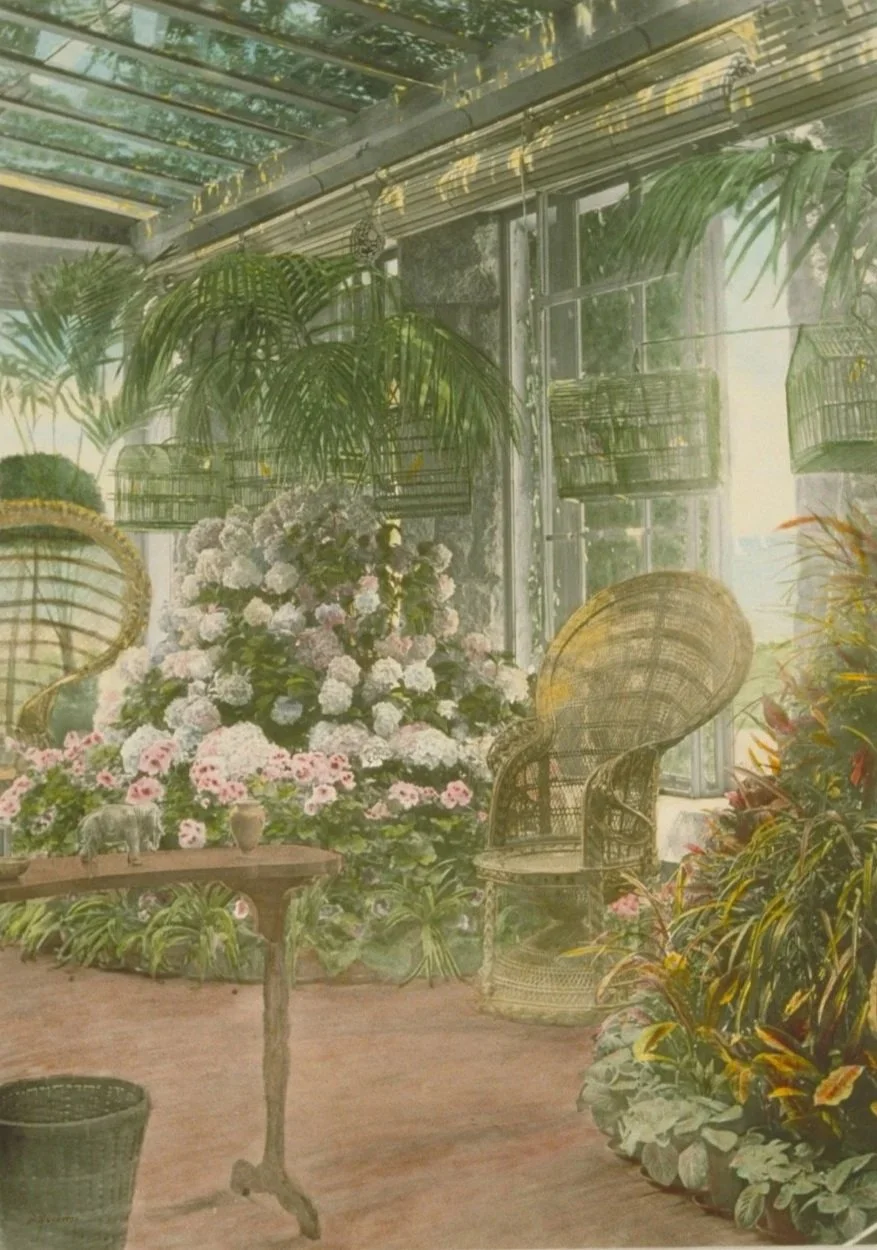
Blanche M. Osborne, Conservatory, Branford House, 1917. Photograph. University of Connecticut Photograph Collection, UC3-0637 IMG0072-1573.
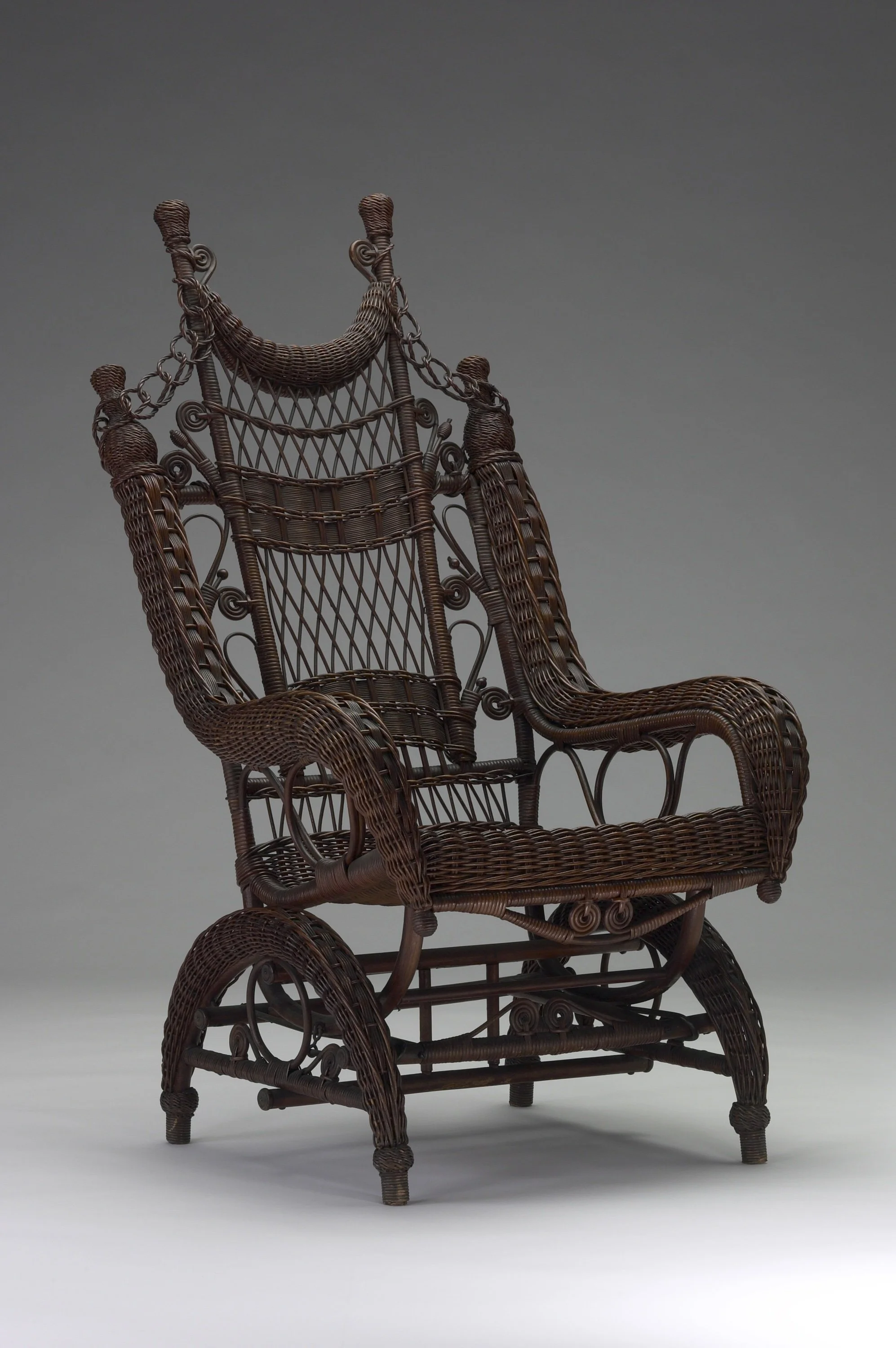
Manufacturer: A. H. Ordway and Company (American), Rocking chair, 1893. Beechwood, iron and rattan. 47 × 27 1/2 × 18 1/2 in. Yale University Art Gallery, Gift of Mr. and Mrs. Samuel Schwartz, Gift of Mr. and Mrs. Samuel Schwartz, 1976.110. Image from Yale University.
At the height of wicker mania (roughly 1880 to 1920), factories made thousands of forms for every occasion: chairs, étagères, bookcases, settees, tables, vanities, umbrella holders, coat racks, plant stands, clock cases, and much more. Their malleable construction—woven split fibers over a steam-bent wood or bamboo frame—made almost anything possible. In use, wicker was textural and tactile. Rockers encouraged movement propelled by the body, such that you swayed with the fiber, echoing its former life in a faraway clime.
Indeed, wicker did (and still does) carry Orientalist associations with tropicality and exoticism. In the Yale chair, the three-dimensional hollow arms droop down, conjuring a feeling of wet tendrils in a jungle, or the heavy, slippery bodies of snails. Such reclining furniture was touted as ideal for convalescing, given its hygienic and air-circulating qualities. Wicker also became a common seating choice for painted and photographic portraits, projecting an air of cosmopolitanism. At the same time, it had a dark side aligned with punishment and discipline. After all, rattan rods were used for whipping, hence the term ‘caning’ (or less commonly, ‘giving the rattan’). My dissertation research on wicker furniture made in prisons—both in the U.S. and the U.S.-occupied Philippines—shows that these connotations went deeper. There was a dissonance between the parlor’s elegant chairs, the unstable industries of rattan harvesting, and the shackled hands that sometimes made them.

John Singer Sargent (American, 1856–1925), Robert Louis Stevenson, 1887, oil on canvas. Taft Museum of Art, Cincinnati, Ohio. Bequest of Charles Phelps Taft and Anna Sinton Taft, 1931.472. Courtesy of the Taft Museum of Art, Cincinnati, Ohio. Tony Walsh Photography

James Jacques Joseph Tissot, The Convalescent, ca. 1876. Oil on canvas. 30 x 39 in. Sheffield Galleries and Museums Trust, UK. Purchased, 1949, SHEFM: VIS.2213.