Where there’s smoke…
Adrian Miller
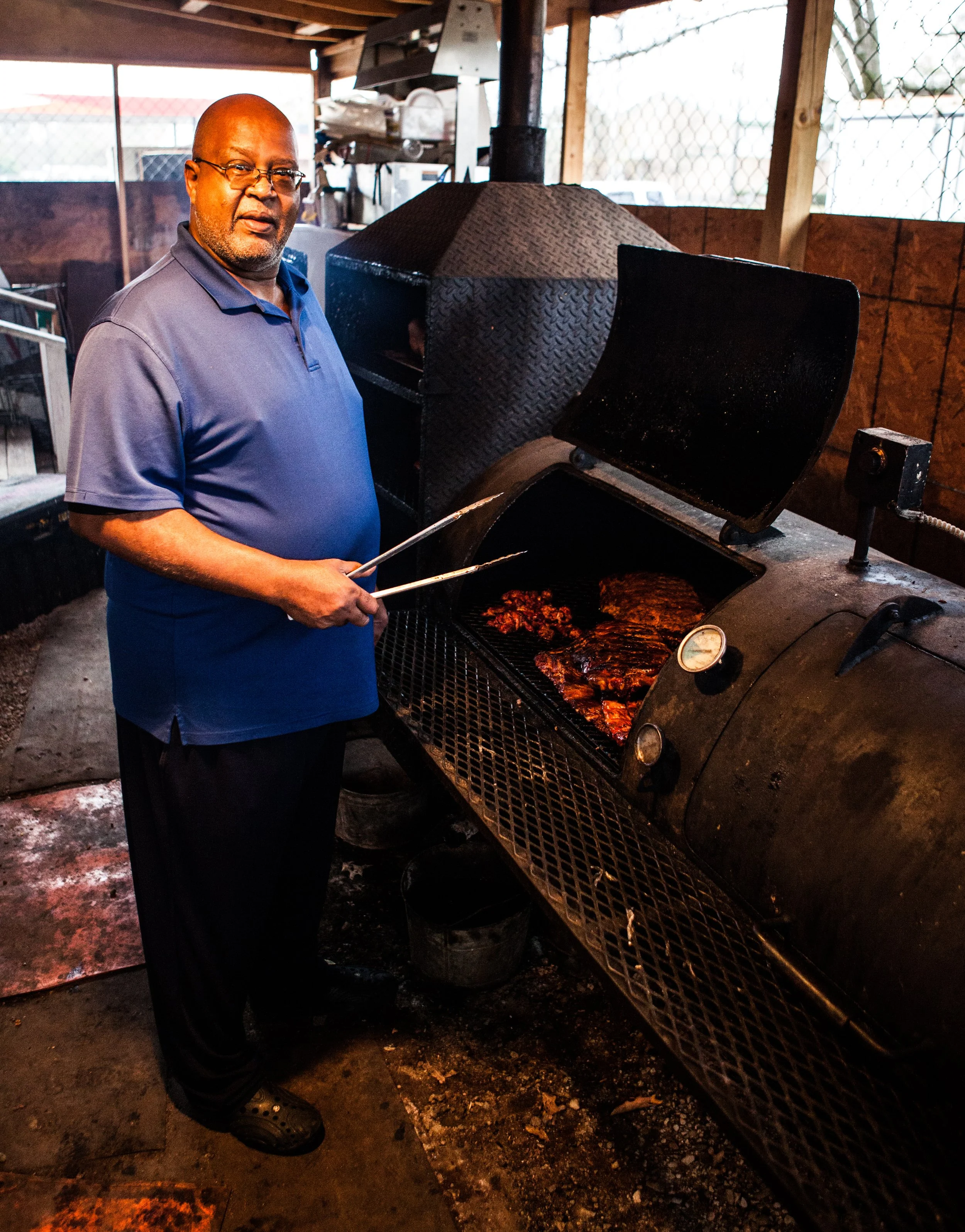
Shreveport-Bossier Convention and Tourist Bureau, Real BBQ and More in Shreveport. Shared under a Creative Commons Attribution.
For thousands of years, humans have burned lump charcoal for the purposes of cooking, heating, and manufacturing. Yet this crucial fuel source varies in availability, cost, burn times, and the heat produced. Its production and use also results a fair amount of waste. In 1897, Ellsworth B.A. Zwoyer of Reading, Pennsylvania, patented a process for making small, uniform briquettes that were a big improvement in all these respects. (Nineteenth-century newspaper articles suggest that charcoal briquettes were in use as early as 1875.) History is silent on whether Zwoyer had the home cook in mind with his creation, but charcoal briquettes ultimately changed the way that barbecue is cooked, defined, flavored, and mass marketed in the United States.
Barbecue traces its roots to indigenous peoples in the Caribbean (despite popular belief that the word derives from the French for “beard to tail,” it is actually descended from the Arawak word barbakoa, a wooden frame on posts used for cooking). By the late eighteenth century, a certain method emerged in the American South, particularly in Virginia. It involved clearing a suitable outdoor space of debris, then digging a trench or pit a few feet wide and a couple of feet deep. This was filled with chopped hardwood, which was set aflame until it burned down to coals; then one or more whole animal carcasses (usually pigs or sheep) or large chunks of meat (usually quarters of cows) were cooked for hours directly over the coals. This process, in the hands of capable cooks, consistently yielded spectacular results and could feed a staggering amount of people, sometimes thousands at one event.
By the time Zwoyer patented his briquettes, this old-school pit technique was becoming less practical for a multitude of reasons. More people were living in cities where there was less outdoor space and less access to wood than in rural areas. Urban butchers were more likely to carry smaller cuts of meat than whole carcasses. Food safety concerns also led to regulation; health officials were not excited about food cooked in a hole in the ground. Finally, cooks immersed in faster-paced city life didn’t have the time for lump charcoal or wood to burn down to a manageable cooking temperature. Charcoal briquettes were a convenient alternative. Affordable, uniformly sized, and easily transported, they burned into ash for easier cleanup, and gave cooks a reliable way to control temperature. Their inventor tried to capitalize – the Zwoyer Fuel Co. was among the first manufacturers of charcoal briquettes – but the real profits would eventually come to an unlikely person: the automobile magnate Henry Ford.
Ford got into the charcoal briquette business as a means of making money from wood waste produced from the manufacture of his cars. In the 1920s, the company began brilliantly marketing the briquettes as the prerequisite to an outdoor camping adventure. Equipped with a Model A or Model T, a bag of briquettes, and a portable grill, one could cook outdoors wherever the road led.
Enthusiasm quickly grew for backyard barbecuing. Early set-ups were fancy outdoor brick fireplaces, primarily utilizing lump charcoal and wood. After World War II, though, many Americans left the cities to live in newly-formed suburbs with spacious backyards. Those who could afford the large fireplaces did so, but many opted for the cheaper cooking equipment developed in the 1950s and 1960s, notably the Weber grill. The popularity of briquettes exploded.
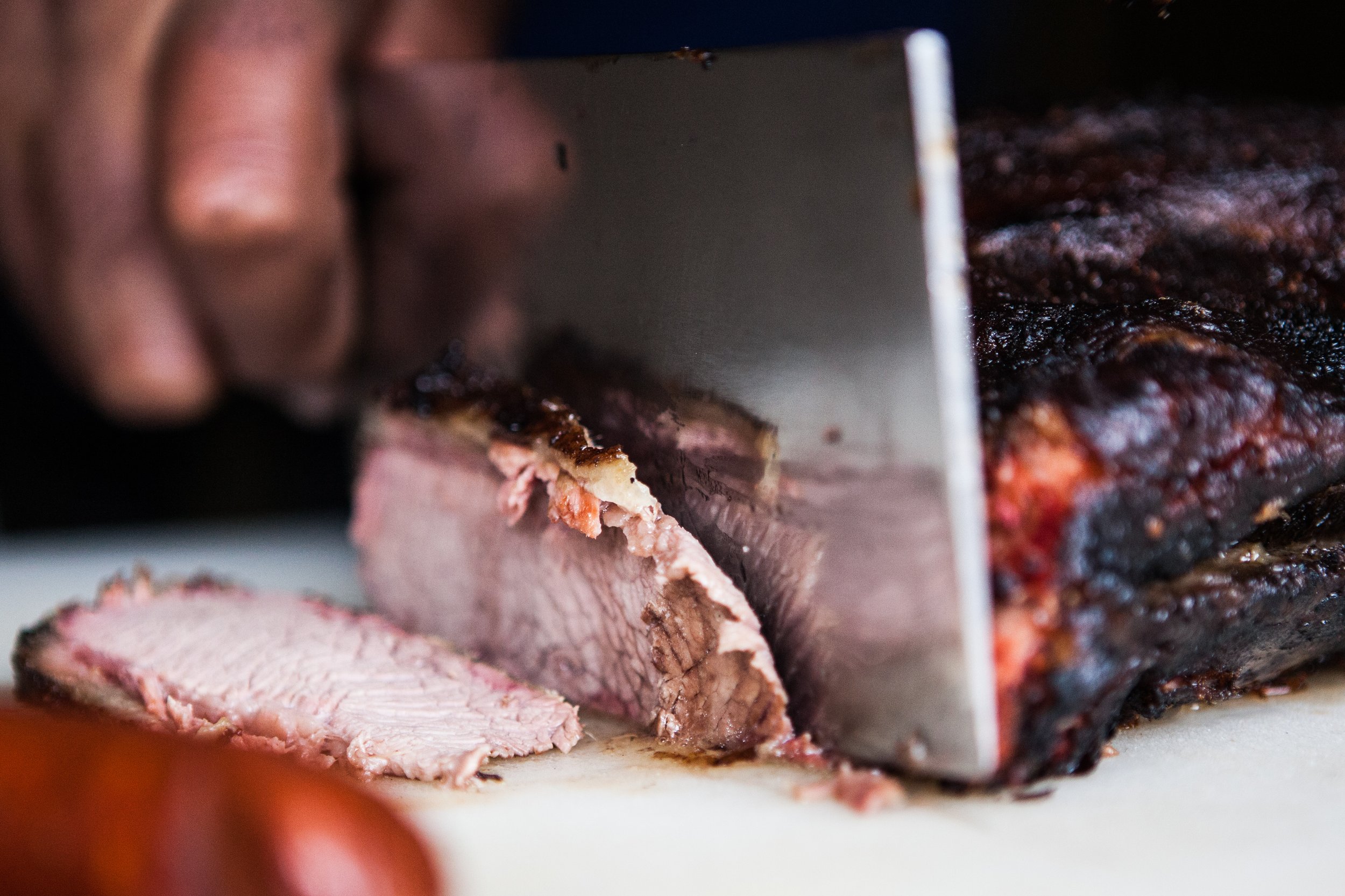
Shreveport-Bossier Convention and Tourist Bureau, Real BBQ and More in Shreveport. Shared under a Creative Commons Attribution.
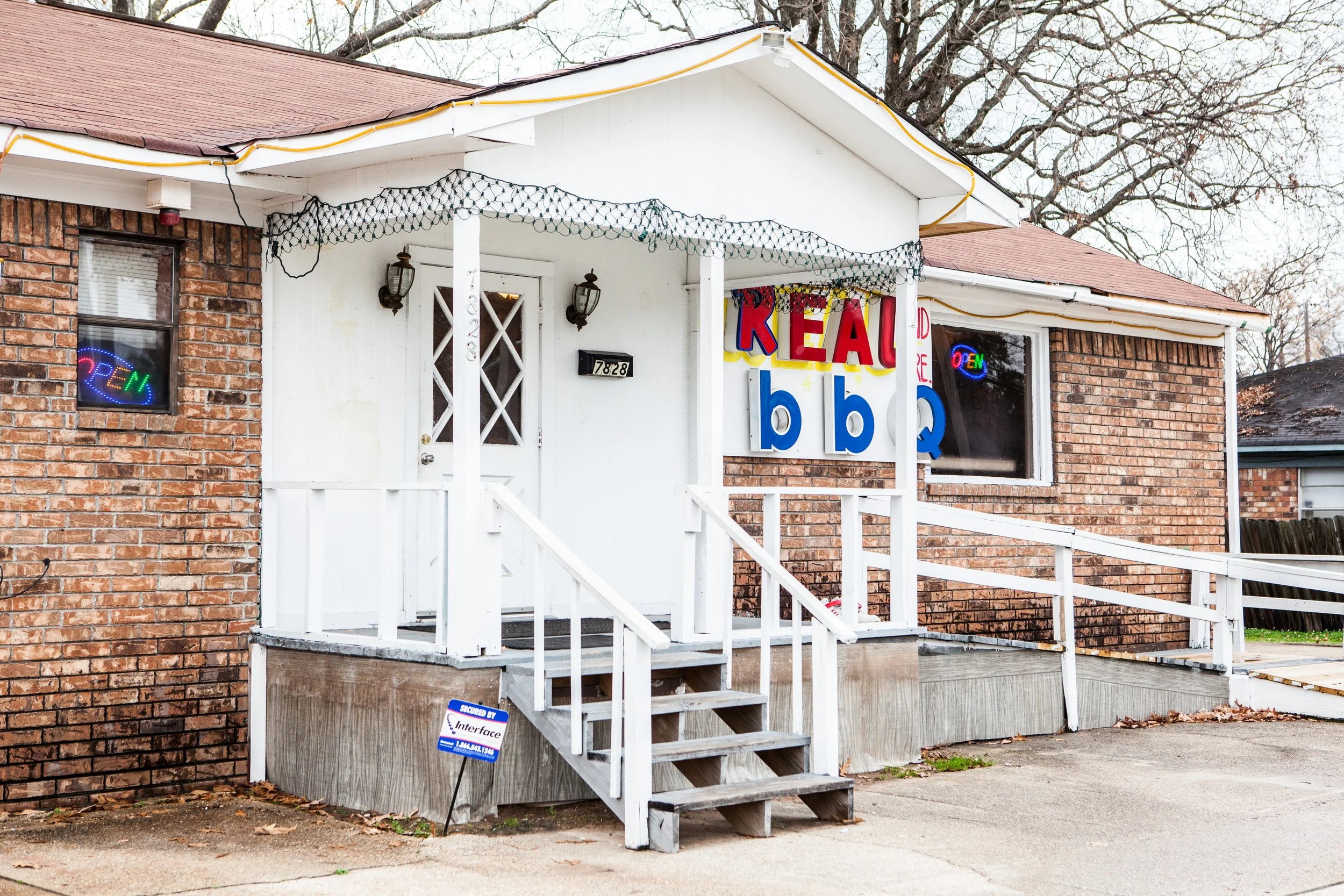
Diego Delso. Iron Column at Delhi, 2009. Diego Delso, delso.photo, License CC BY-SA.