Hair on credit
Elizabeth L. Block
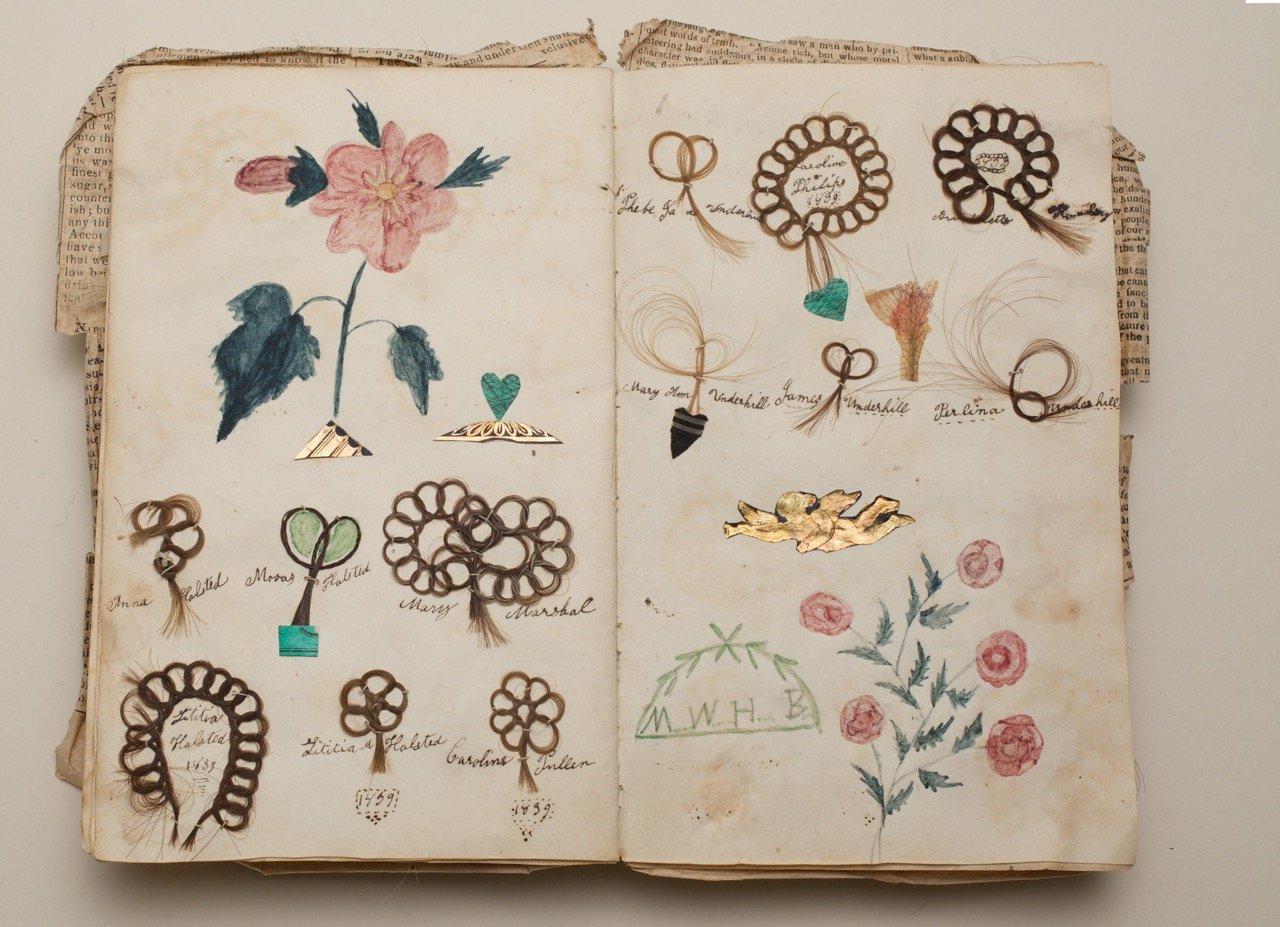
Margaret Williams, Friendship album, 1839. Album with locks of hair sewn onto the pages in loops of stylized flowers with colored drawings of f lowers. (closed): 7 x 4 in. Library Company of Philadelphia, obj 846.
Caroline and I are seated next to one another at my husband's birthday dinner, but we are meeting for the first time. She is married to one of his work colleagues, who I didn't know either. August birthdays in New York—you invite whoever is in town. The rooftop restaurant in midtown is crowded. Even in the open air it is difficult to hear the other guests' chatter around the table, so the two of us lock in.
Caroline and I have utterly different vibes. She’s in constant fluttery motion in her chair, both ends of her summer shawl tormented into unending configurations around her shoulders left bare by a floral, pastelly sundress. Gold bracelets clink with every movement. There's a Southern affluence in her look. Georgia, maybe? In my buttoned-up cardigan and gauzy black skirt, I watch all of this agitation, half-listening, nodding along to the stories of her twin boys' college application travails.
Then she starts in on her hair. Just incessant flipping and arranging of honey-highlighted long layers around her jawline and neck. My motivation must be subliminal, but I hear myself telling her that I wrote a book about the history of hairdressing. She stops moving, looks me in the eyes and says, "When my mother got married my grandmother gave her a credit card for her hair." I'm entranced and ask for details. "Yes," she says, "To keep up her appearance. And then my mother did the same for me when I got engaged. I get my roots done every ten days."
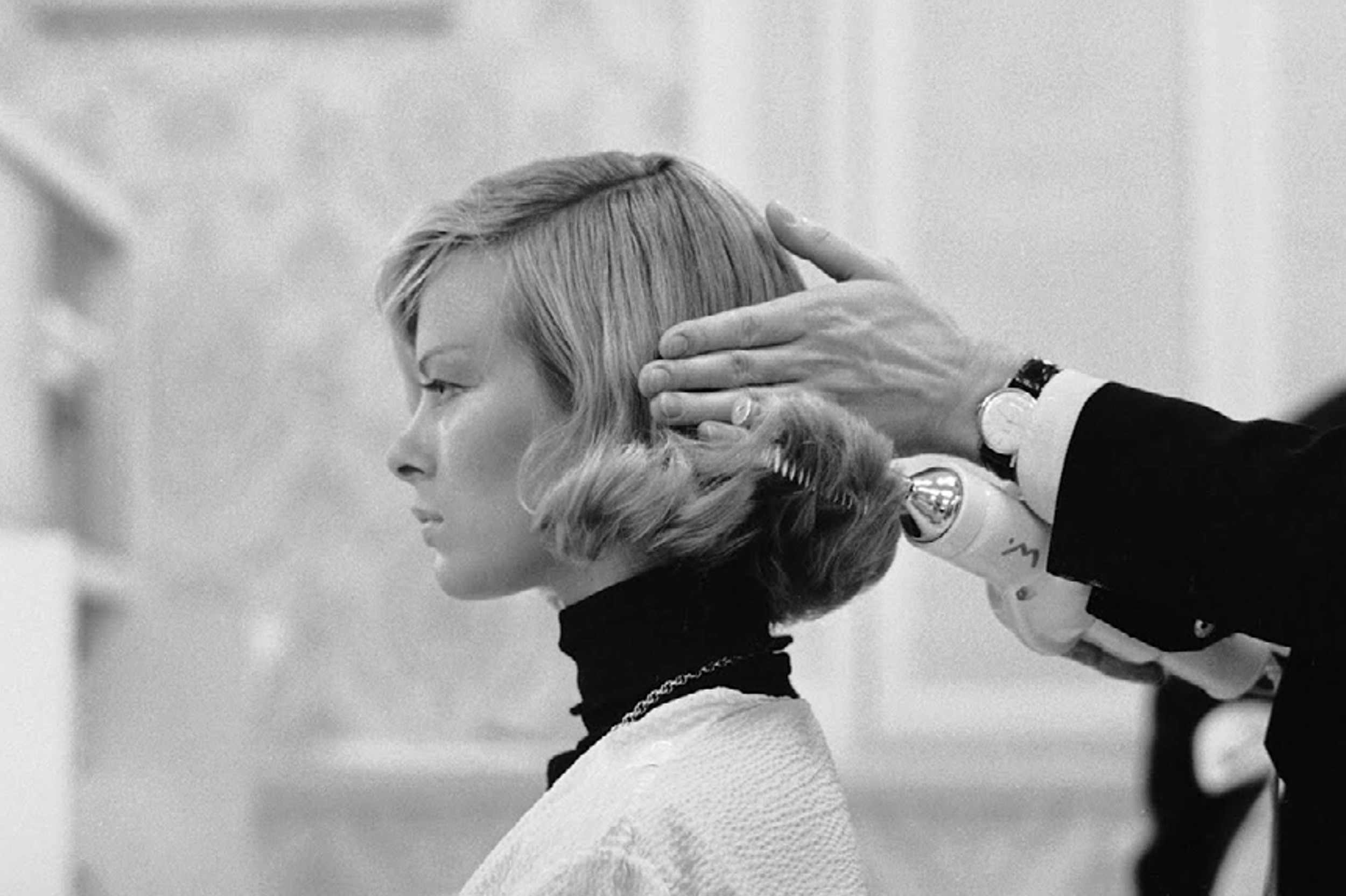
Yale Joel (American, 1919–2006). Woman Having Her Hair Styled at Hair Salon at Saks Fifth Avenue. Photograph in LIFE, December 1962. LIFE © Time Inc.
I am used to people telling me about their mother's or grandmother's hair routines. When you say you write about women's hair, it's one of the first things that people tend to share. I truly enjoy listening to childhood memories of home perms gone wrong, impossibly tall canisters of Aqua Net stowed in bathroom cabinets by a great-aunt or two. But this is the first I am hearing about a generational, devoted credit card for the cause. I wouldn't mind having one myself.
The rituals of hairdressing, coloring, cutting, preparing, and spending are endlessly fascinating to me, whether they took place in the nineteenth century—the era to which I dedicate most of my research—or in the ladies' salons of Savannah in the 1960s, where Caroline's family was ensconced.
We know that hair holds memories. Many of us treasure a clipping from a child's first cut, delicately preserving it in a keepsake box. A couple of winters ago in Massachusetts, I spent an afternoon in an archive with an album kept by a New England family in the nineteenth century. Each swatch was lovingly labeled in elegant cursive with the child's name: Marshall and Lizzie (brunettes); Christina, Calvin, Elijah, and Charlie (blonds). Who was the album made for? An as-yet unfathomable future descendant? Maybe it was only for me, that day, as I struggled through the challenging middle stages of plotting and writing what would become my book, Beyond Vanity.
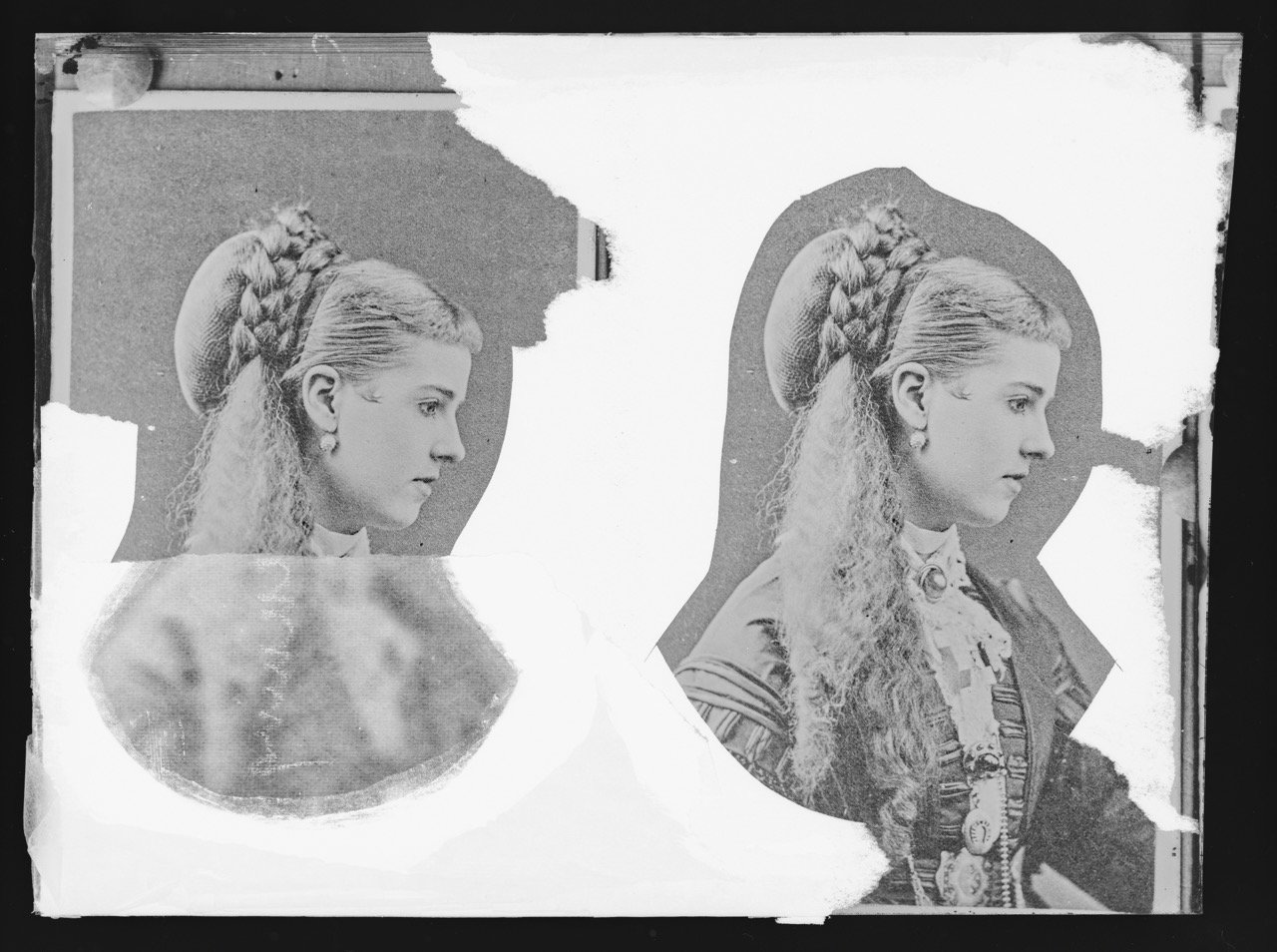
Detail, Attributed to Mathew Brady Studio (American, active 1844–1894). Alice Dunning (possibly). Glass plate collodion negative, ca. 1860–70. National Portrait Gallery, Smithsonian Institution, Washington, DC, Frederick Hill Meserve Collection (npg.81.m2462.2). cc0.
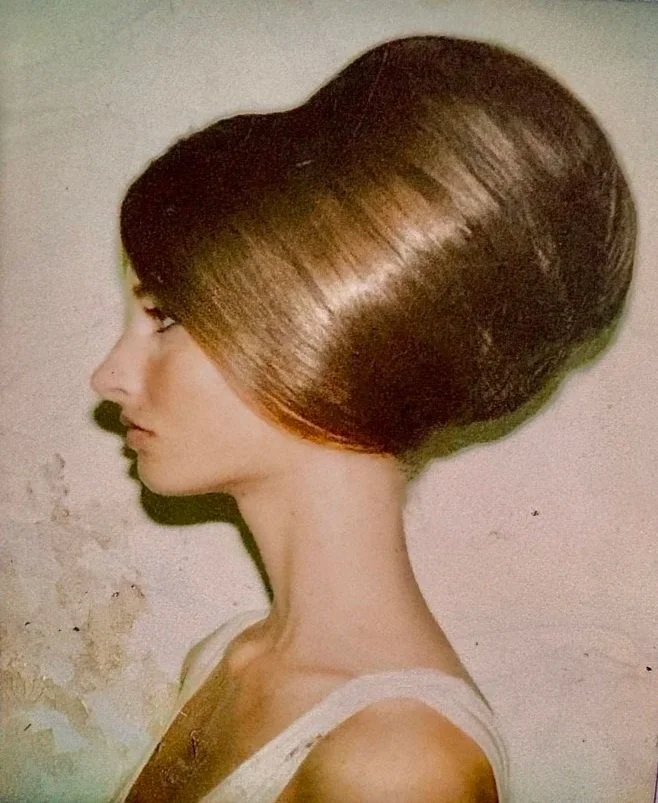
Dennis Lanni, Anachronistic Tendencies, 2025. Polaroid photograph. Hairstyle and photograph by Dennis Lanni.