Crucible of the divine
Rose Camara
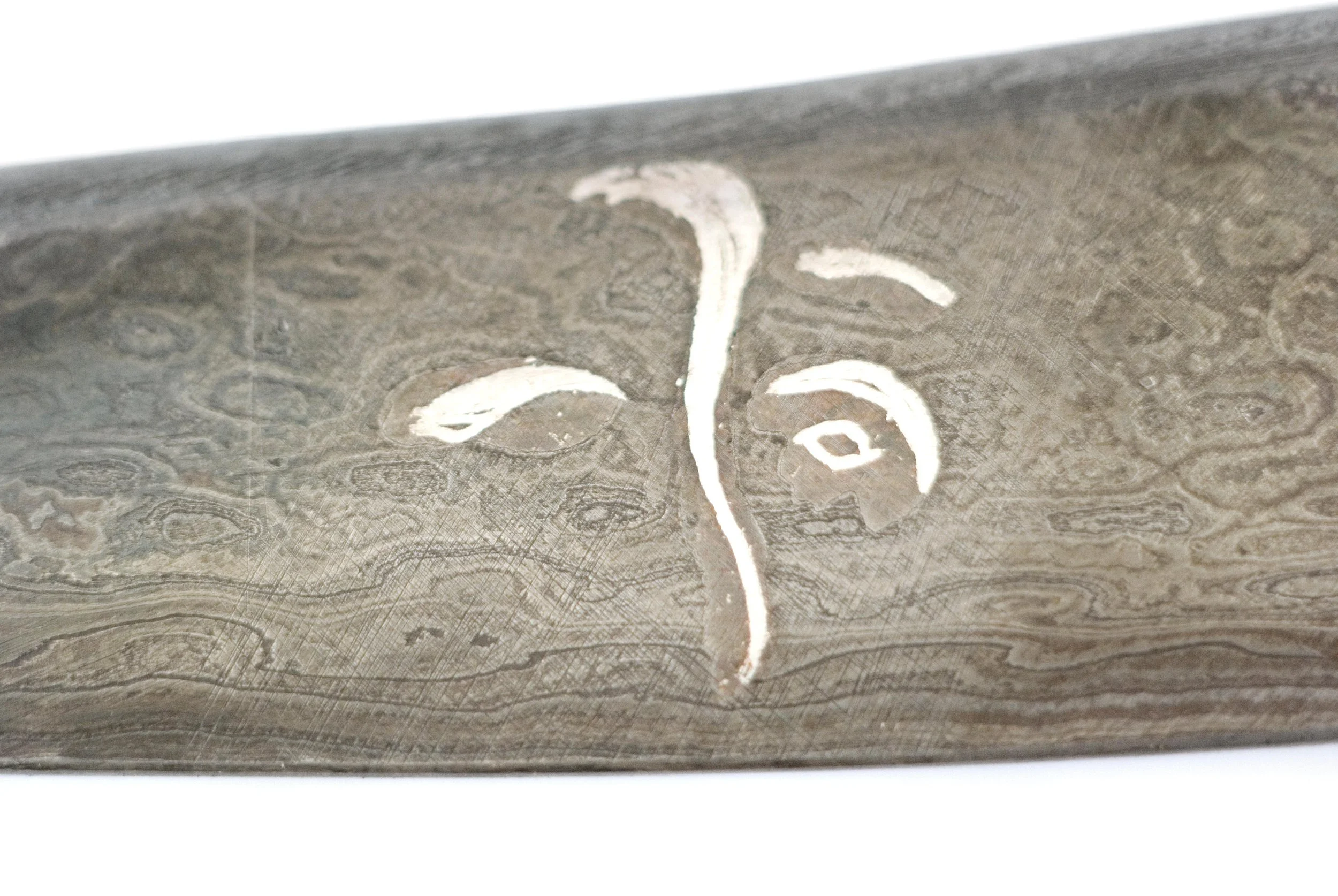
R. Kawka, Indo-Persian Mughal Dagger Blade, May 26, 2018. R. Kawka / Alamy.
"The Hindus excel in the manufacture of iron. They have also workshops wherein are forged the most famous sabers in the world. It is impossible to find anything to surpass the edge that you get from Indian steel"
—Mohammad al-Idrisi (1100-1165)
The Great London Exhibition of 1851 was, among other things, a medals ceremony. Awards were given “wherever a certain standard in excellence production or workmanship had been attained.” Under the heading of “Mining, Quarrying, Metallurgical Operations, and Mineral Products,” the East India Company was recognized for its “wootz steel and manufacture.” At the time, the Great Exhibition was widely praised as a great success, a symbol for peace among nations. However, that award was a blight on the long history of a material. For wootz steel was, in fact, discovered and developed by Indigenous populations whom the British had colonized.
Most people think of steel as a modern material, associated with mechanized industry and major infrastructure, architecture and transportation. But it actually has a much longer story, with multiple origins dating to the 2nd millennium BCE. The term for this type of steel indigenously known in some Indian languages as ukku (pronounced “wukku,” meaning steel) may derive from the Tamil word uruku with a meaning that suggests “melting in a container.” Ukku dates to around 300 BCE in Southern India, where there existed a complex network of production and steel making centers reliant on natural resources and local iron smelting technology.
Ukku blades were known in history and legend for their hardness, sharpness, and durability, making them valuable commodities. In addition, they have been widely praised for the beauty of their iconic dendritic or water-like patterns, resulting from melting in a crucible. Ukku is an achievement with deep cultural ties including social structure, ritual, and religion. This is exemplified in Mother Goddess worship as seen in the cult of Mammaye, goddess of steel.
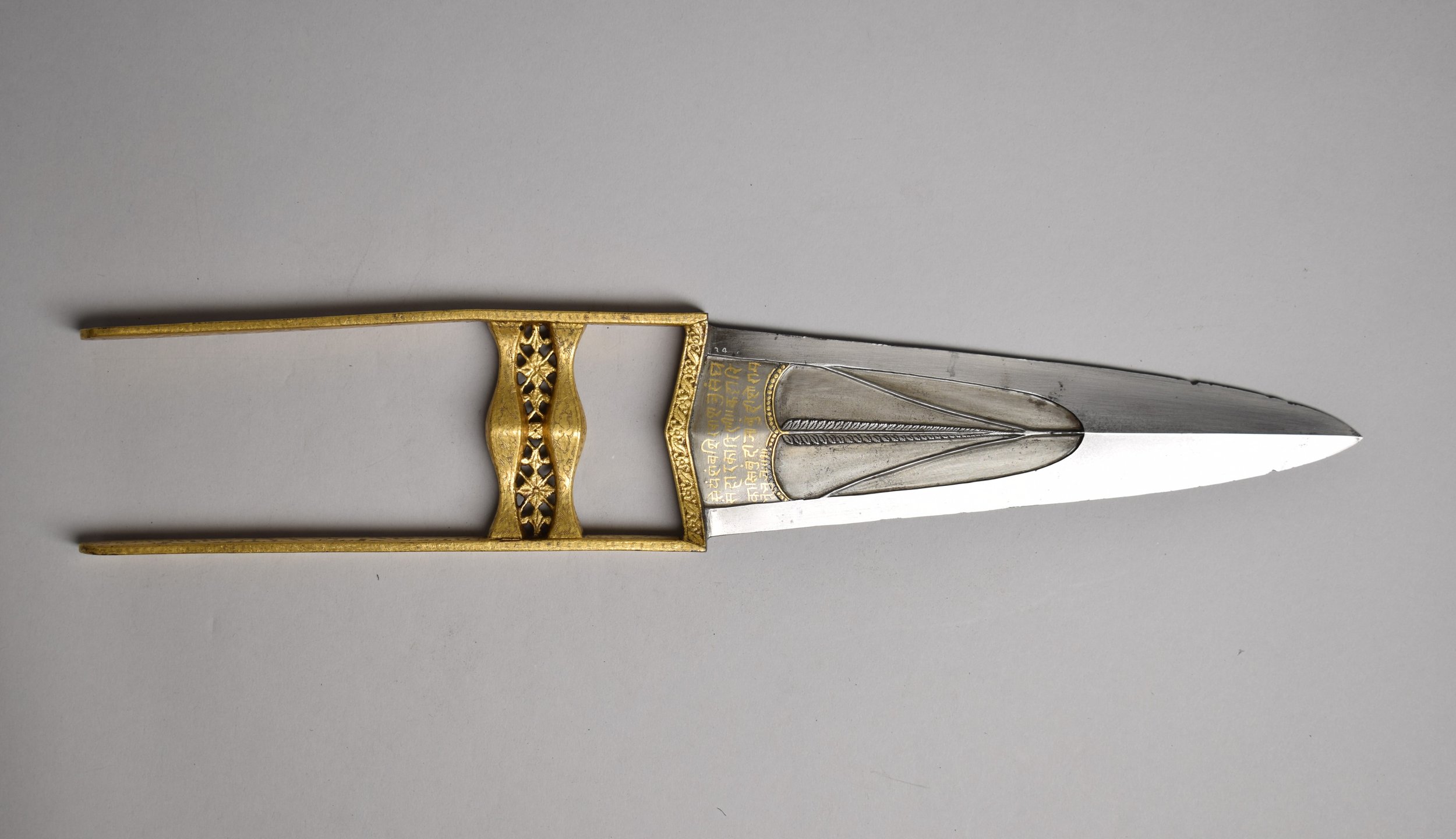
Maker unknown. Dagger, 1850-1851. Bundi, India. Steel broad blade with foliated and chiseled ornament inlaid with gold inscriptions. Transferred from the India Museum in 1879, South & Southeast Asia Collection, 3446(IS). © Victoria and Albert Museum, London.
A word on terminology: “ukku” retains a rightful connection to India. Other languages had their own terms associated with characteristics of this type of steel: hardness, purity, and pattern. The European “wootz,” thought to be a mistranscription of ukku, or possibly the related terms utsa (Sanskrit) or wus (Gujarati), is used widely by scholars, archaeologists, and metallurgists. It was first introduced to Western Europe in 1794 in a letter to Joseph Banks, president of the Royal Society, sent from James Stodart, who was based in Bombay (present day Mumbai). A 1795 report was subsequently presented to the Royal Society on its characteristics and properties, marking the first time the word was used in print. But why continue to use the term if it is an act of colonial appropriation?
Rural blacksmiths in India still operate to this day, an amazing continuation of an Iron Age craft. Though the number of blacksmiths has dwindled, vestiges of the craft’s former glory still exist. A principle goddess presiding over blacksmithing is Mammaye (or Mammayi), whose name derives from two Telugu words: amma (mother) and ayi/ayee/ayas (iron). Though her origins remain undocumented and obscure, it is thought that her worship began in the 9th century, with temples established in ukku production centers.
Mammaye’s annual rejuvenation festival takes place in Spring of the Telugu calendar. On these days, the blacksmiths rest and the goddess imbues the smith, tools, and the smithy with divine power to assure productivity and prosperity for the next year. The ritual persists today, but faces an uncertain future due to the shrinking number of blacksmiths and other craftsmen in rural villages.
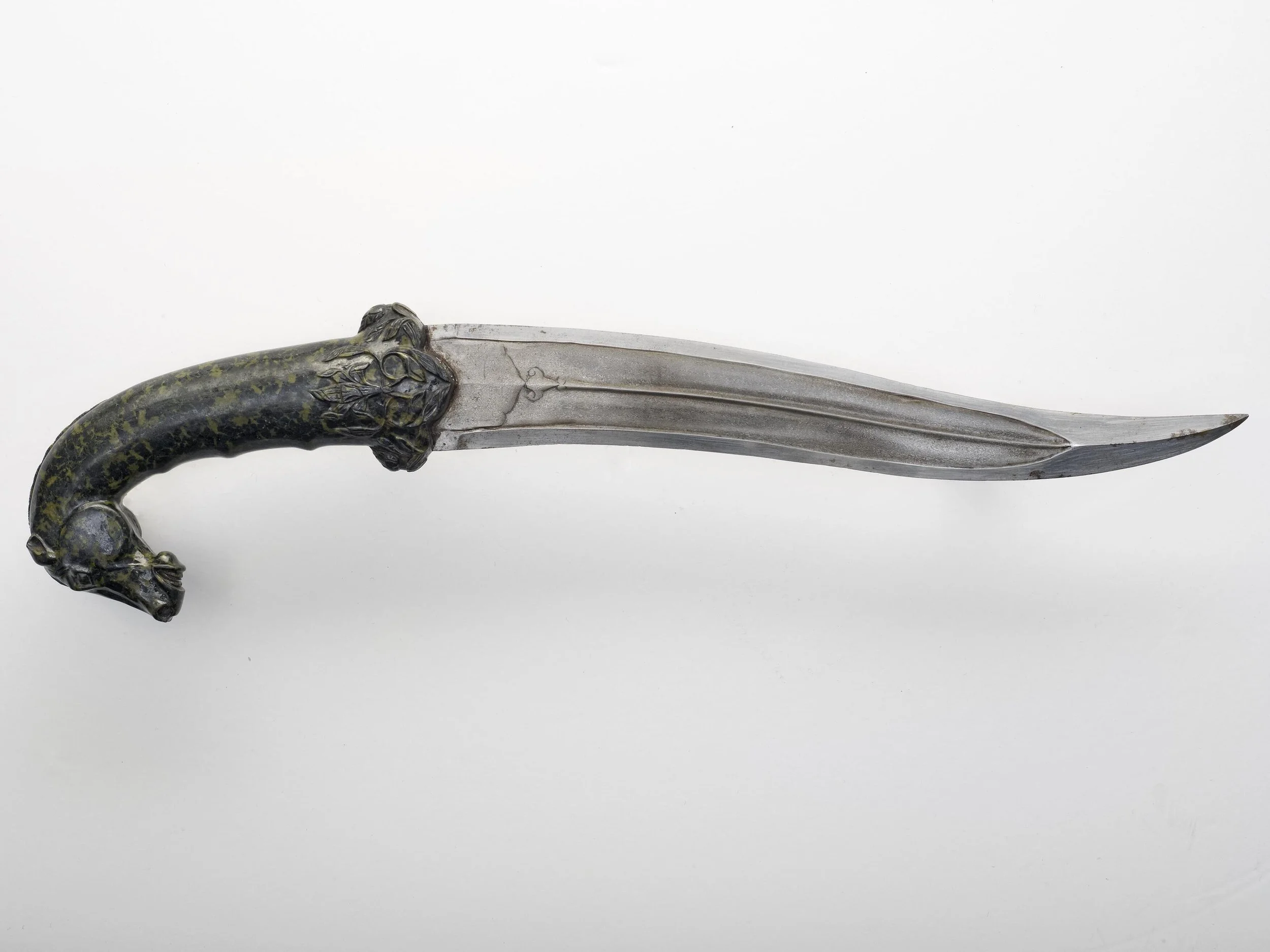
Dagger (Khanjar), Mughal Period, Probably Late 17th century. © Royal Armouries.
“Obeisance to our divine mother Mammaye.” This song of praise, translated by the archaeologist Prof. Sharada Shrinivasan, is sung by a blacksmith named Saianna from the village of Dammannapet, Telangana. The song is one of worship, passed down through a lineage of artisans:
“We seek refuge in you, oh Sankaramma of Mangalpuri. Shower your mercy on us, oh Kamakshi, who blessed us with her pleasant gaze. Bala Thiriburasundari, the mother of the five vishwakarma communities. Oh mother, you are a basket of fragrant flowers. Oil lamps shine brightly near you always.”
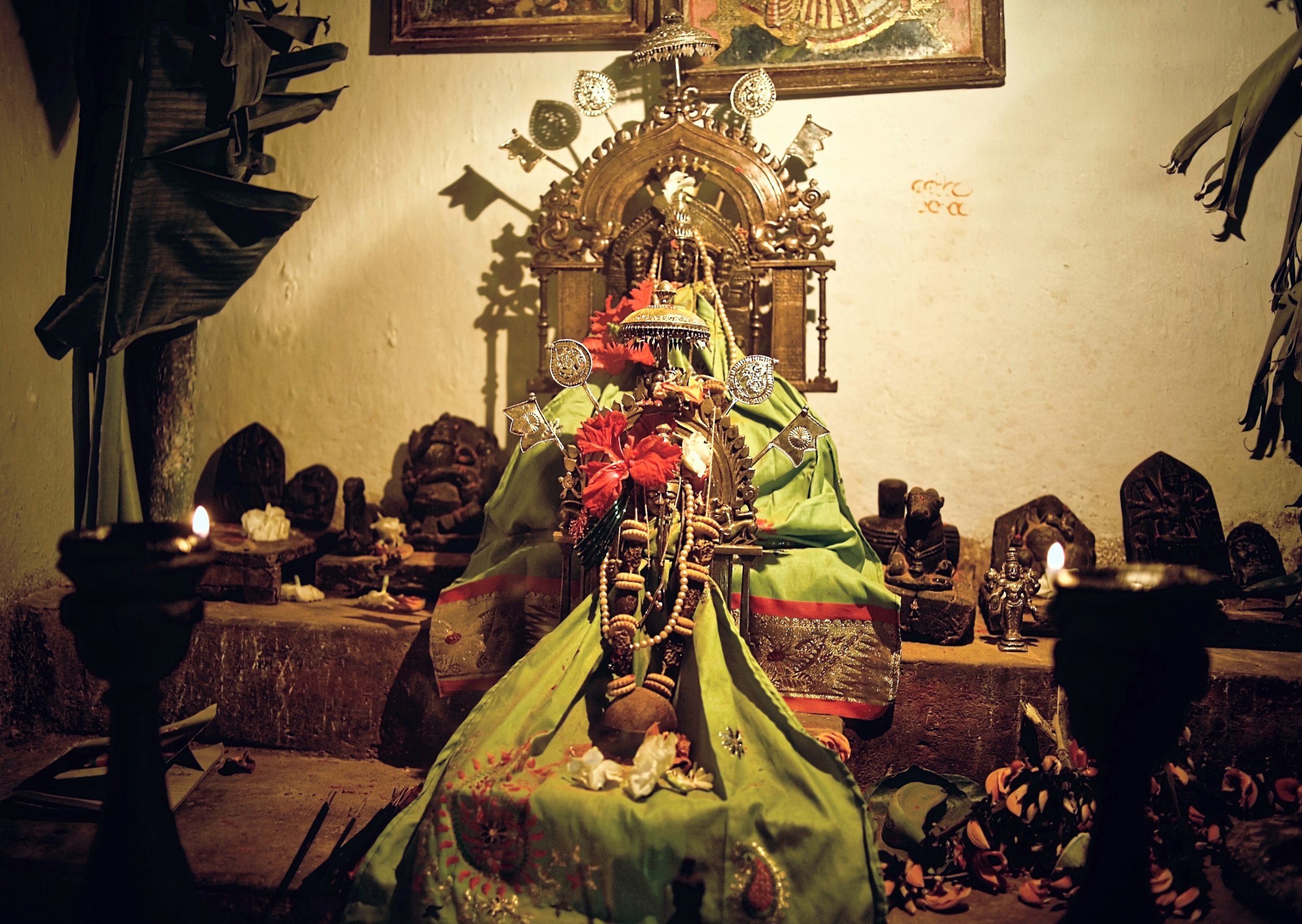
Image courtesy of Professor Sharada Srinivasan, School of Humanities, National Institute of Advanced Studies, Bangalore, India. Permission to take this image of the Mammaye temple during the Ugadi festival was generously granted to Professor Srinivasan by the Vishwakarma community of Konasamudram, Tamil Nadu, India.