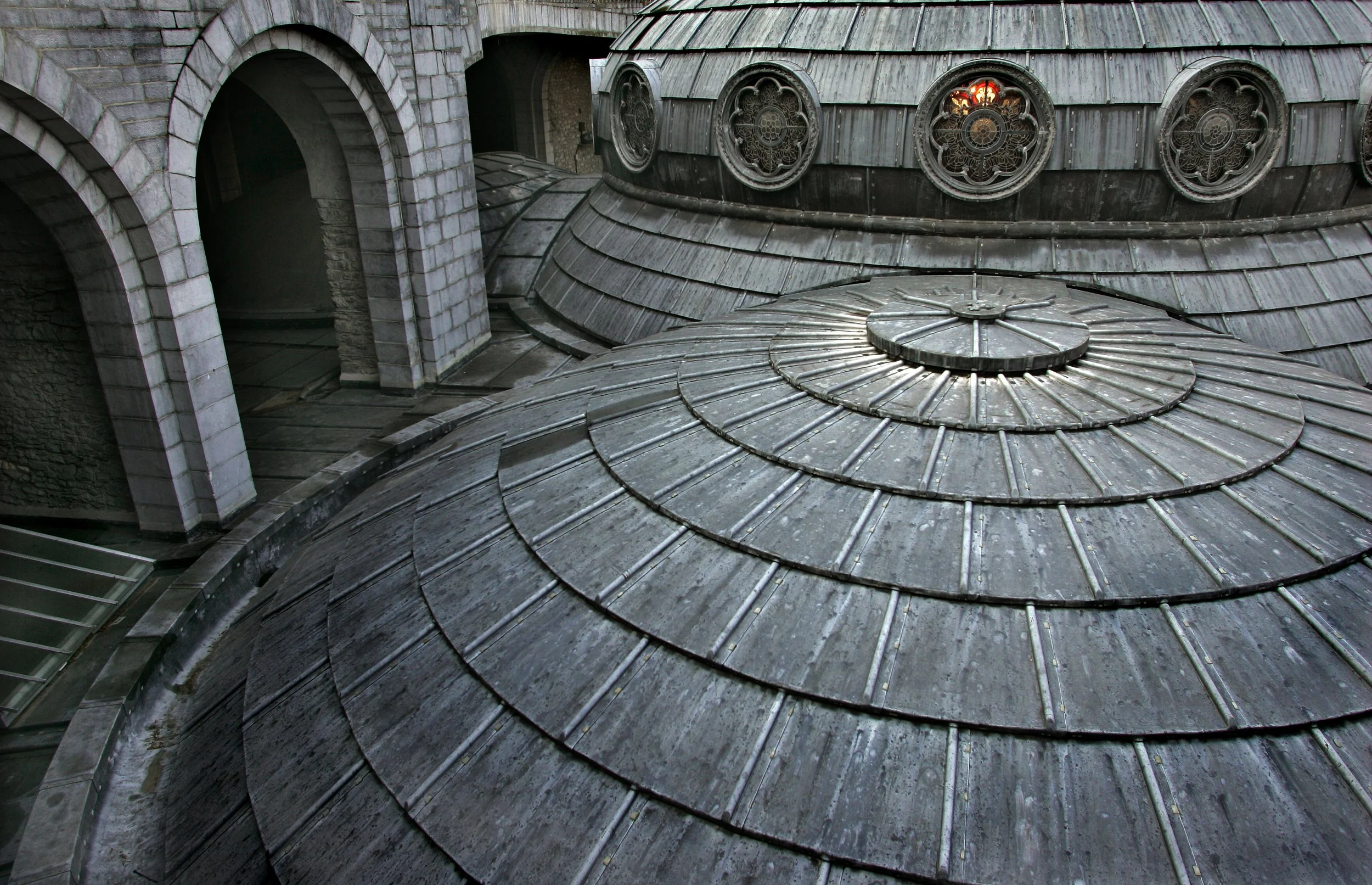
The roof section of part of the cathedral at Lourdes in France, 2008. Marc Hill / Alamy.
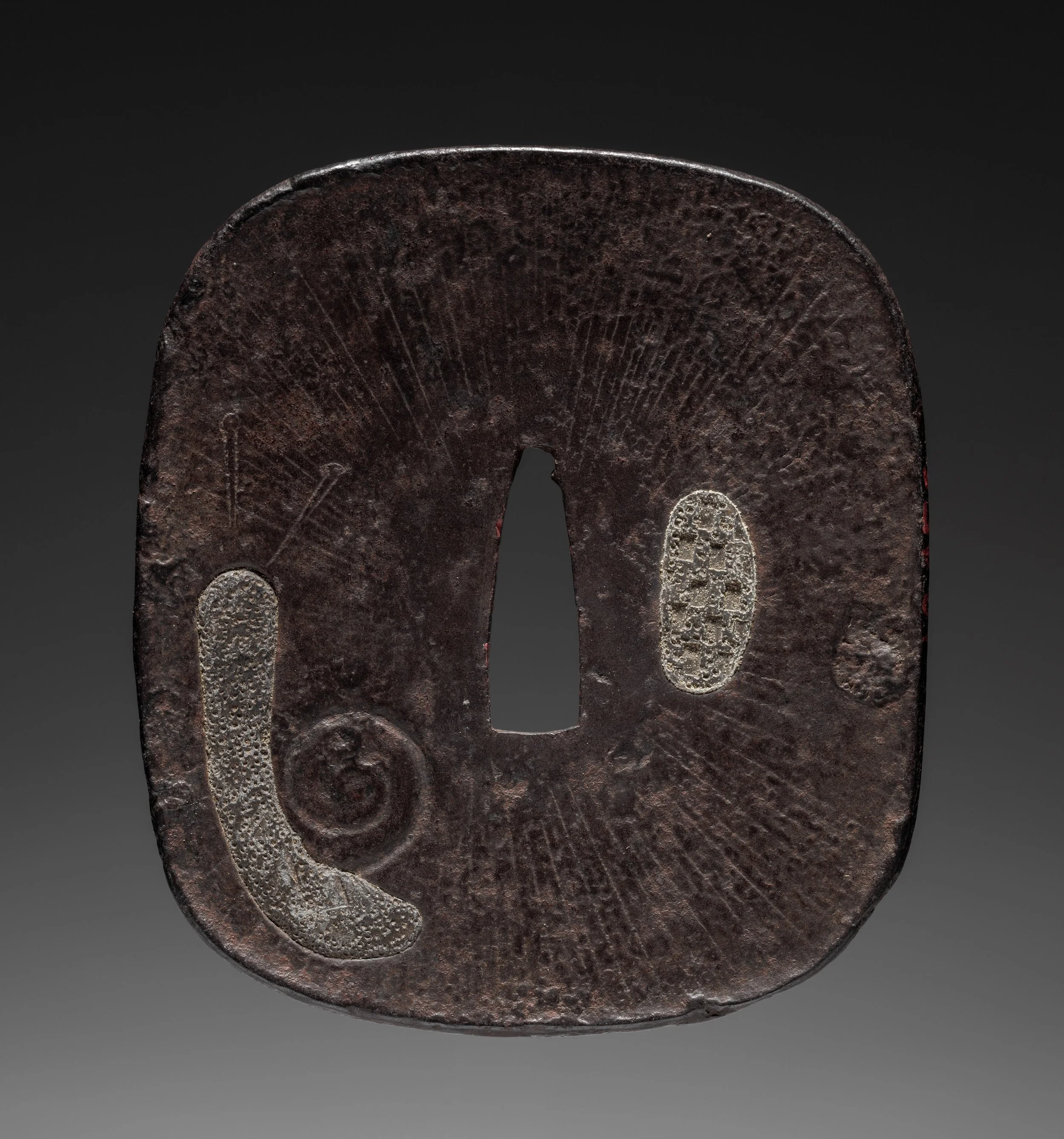
Sword Guard (Tsuba) with Snail and Gourd, c. 1615–1868. Japan, possibly Edo period (1615-1868). Iron with lead inlay; approx.: 3 1/16 x 3 3/8 inches. The Cleveland Museum of Art, Gift of D. Z. Norton, 1919.456.
Tails of lead, tails of marble, minerals and carbon, subterranean world where no one travels: are you not the spirit fallen at the feet of death?
– Raymond Queneau, 1925
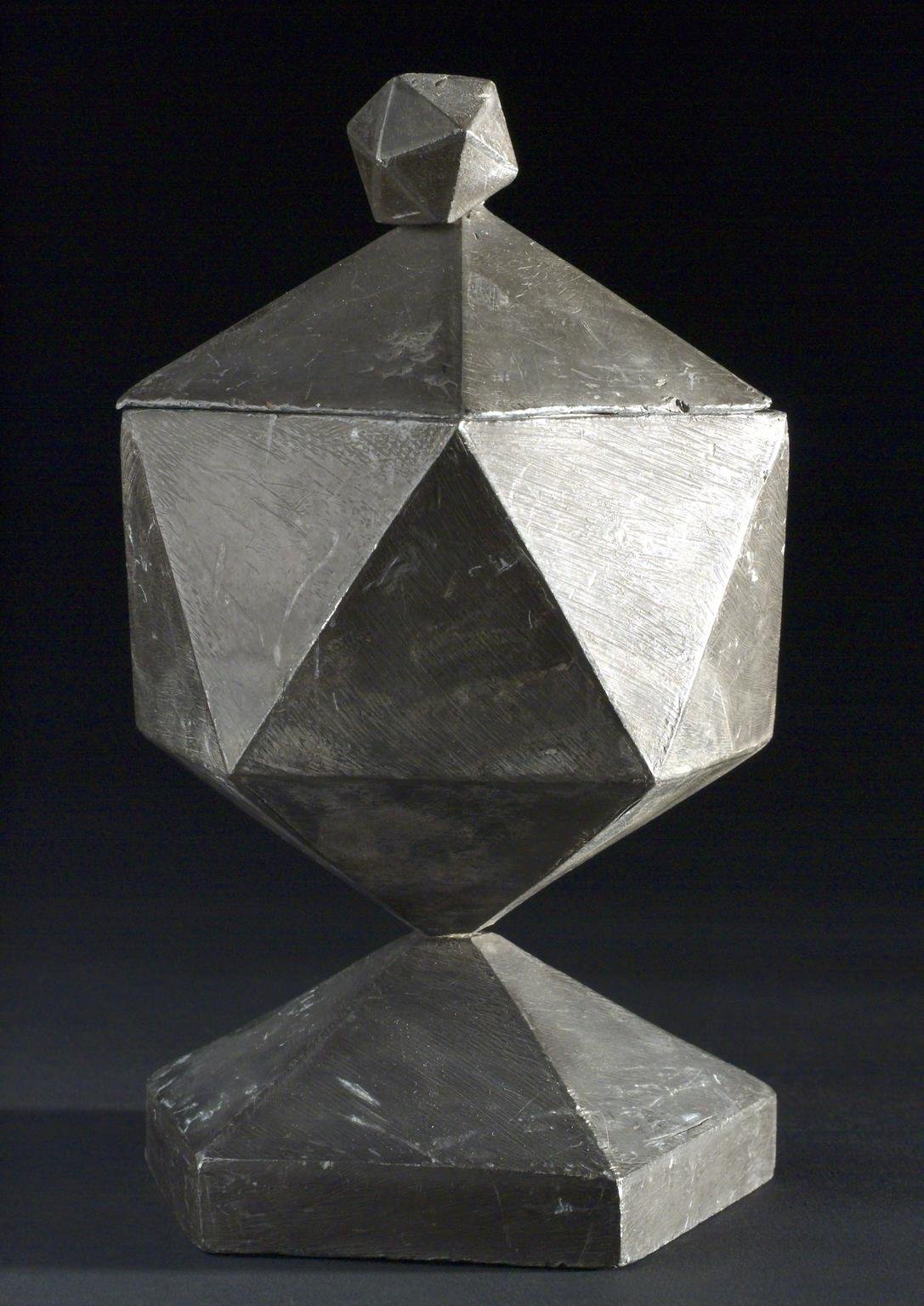
English, Cast lead tobacco jar, crystal-shaped with fifteen sides, 1780-1850. Science Museum Group Collection, Wellcome Trust (Purchased from Stevens), A192732. © The Board of Trustees of the Science Museum. Creative Commons License.
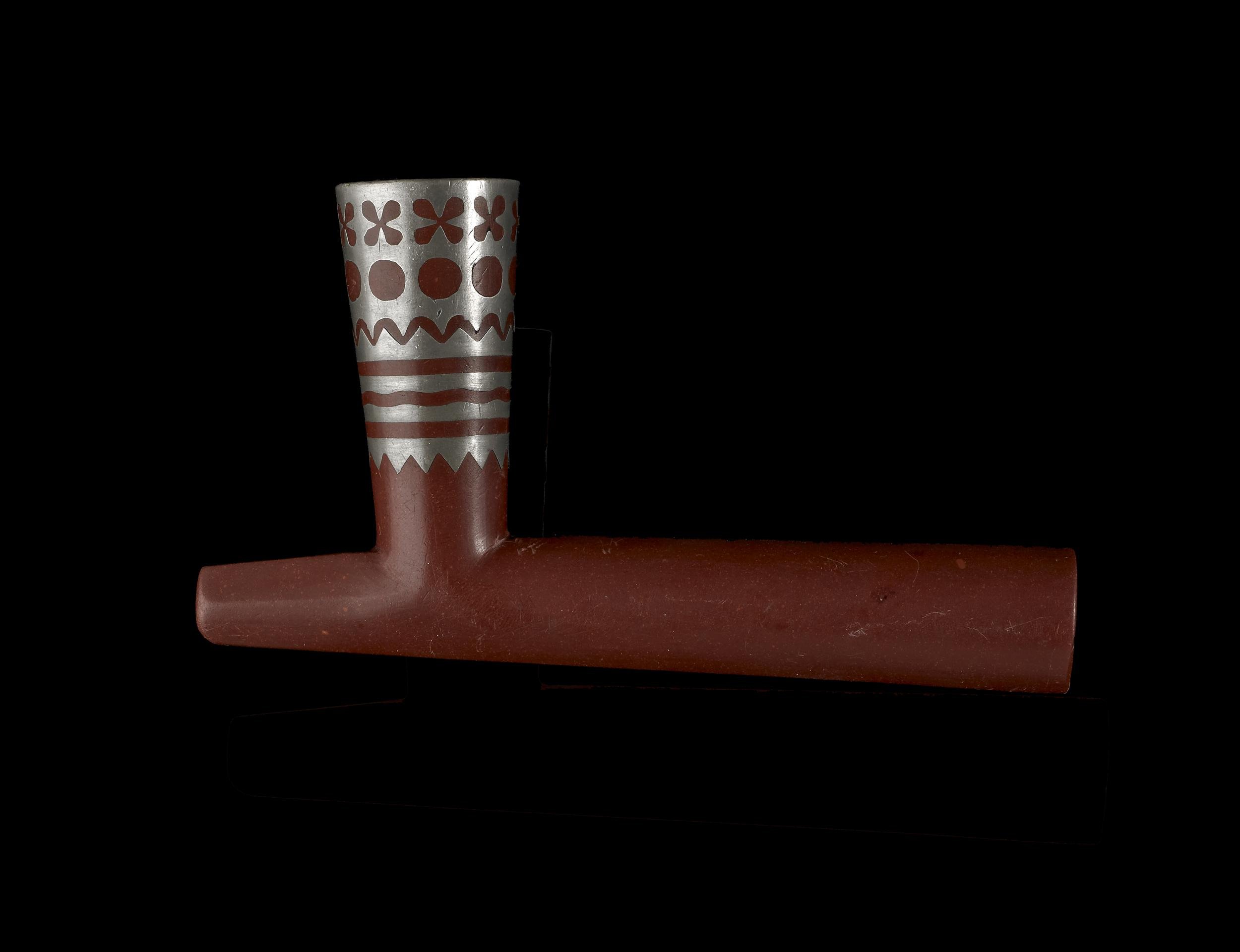
Sioux, Calumet or Pipe of Peace smoking-pipe, ca. 1856. Catlinite and lead. Bequeathed by Henry Christy, The British Museum, Am.2564.a. © The Trustees of the British Museum. Shared under a Creative Commons Attribution-NonCommercial-ShareAlike 4.0 International (CC BY-NC-SA 4.0) licence.
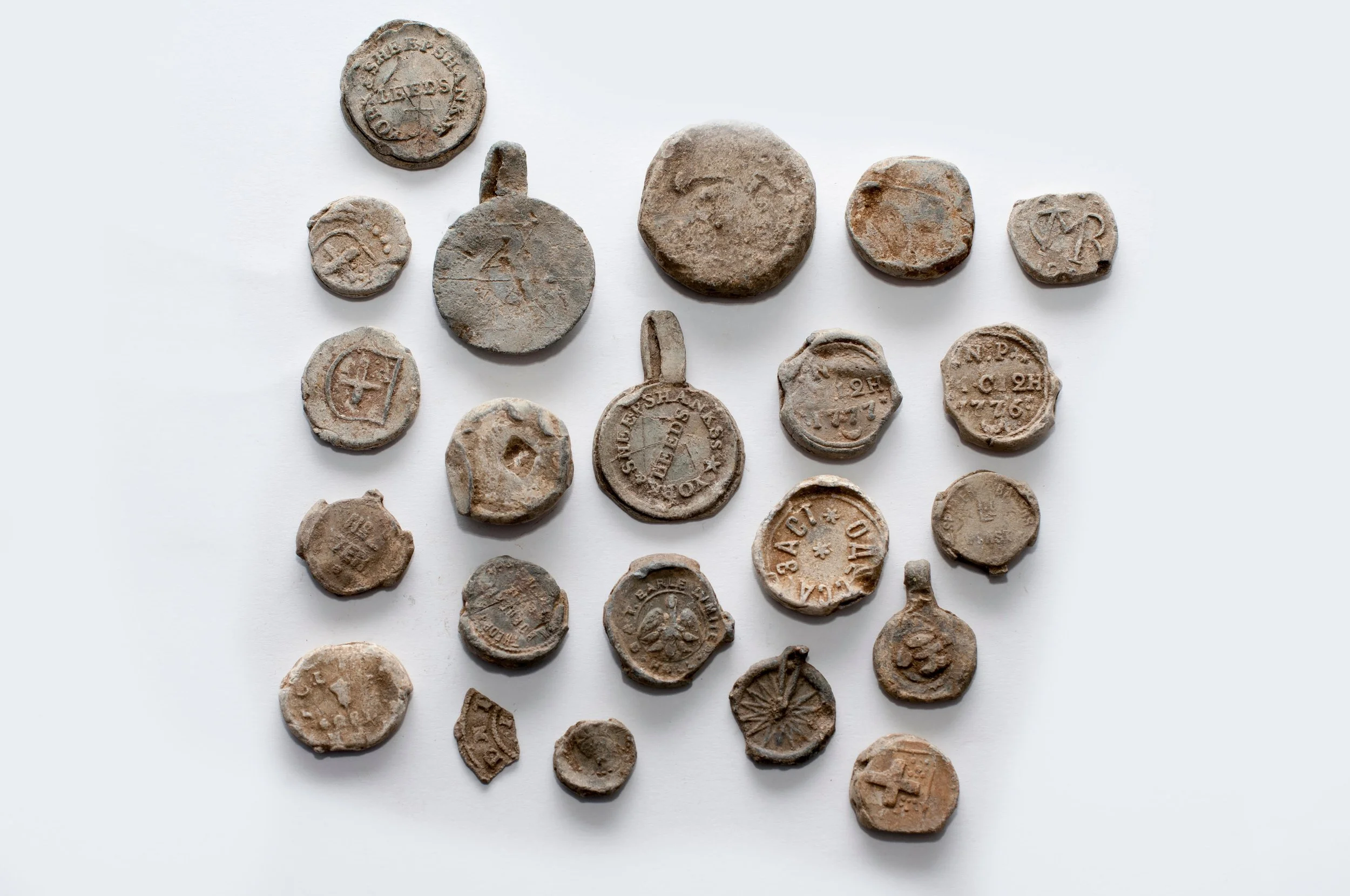
A collection of old lead bag seals found in The East Riding of Yorkshire, United Kingdom, UK, Greaet Britain, England. Alan Mather / Alamy / 2007.
I have never seen the Philosopher's Stone that turns lead into Gold, but I have known the pursuit of it turn a Man's Gold into Lead.
– Benjamin Franklin
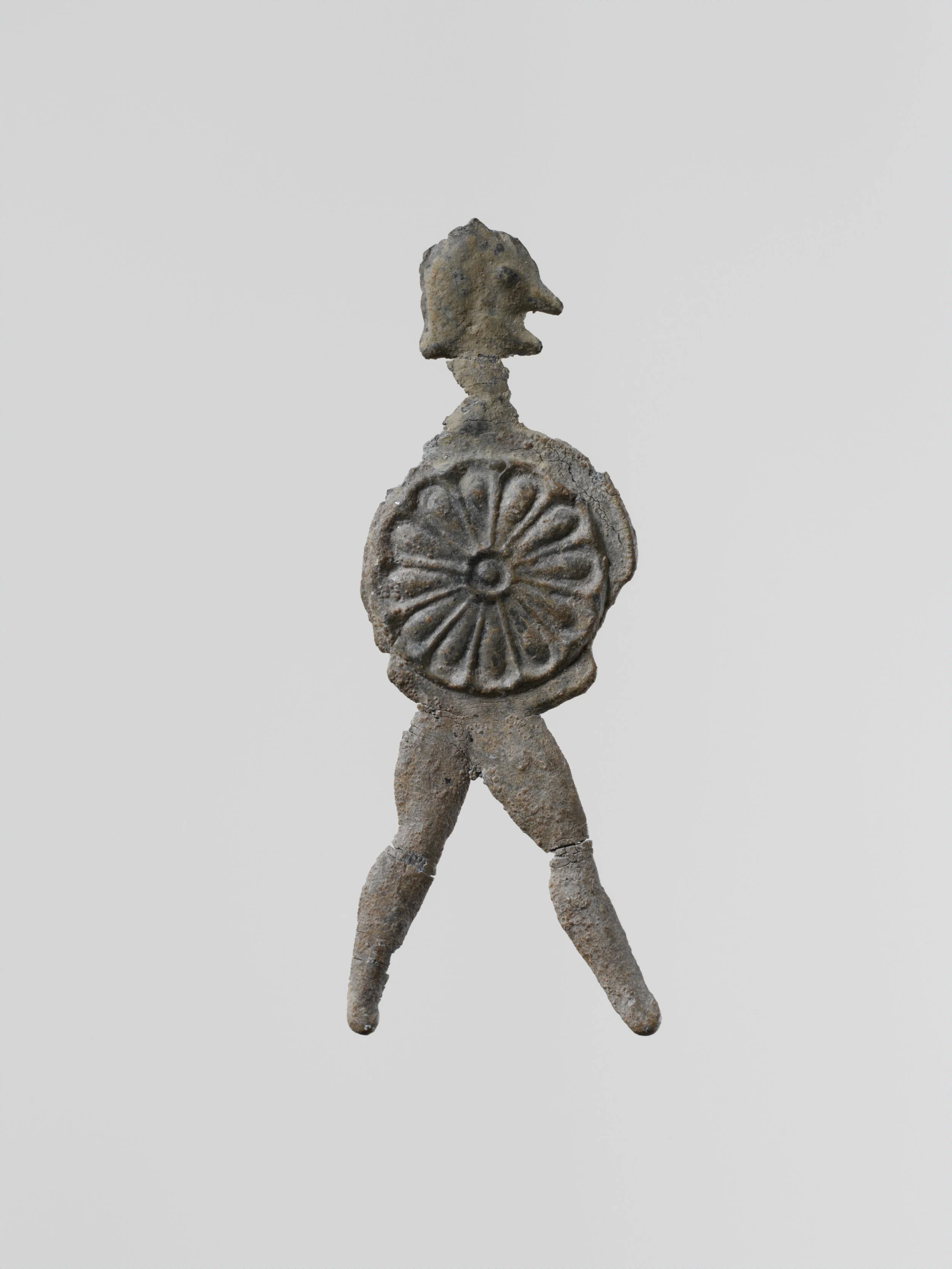
Greek (Laconian), Lead figure of a warrior with a helmet and shield, 6th–5th century BCE. Lead. Height: 1-7/8 inches. The Metropolitan Museum of Art, New York. Gift of A. J. B. Wace, 1924, 24.195.66.
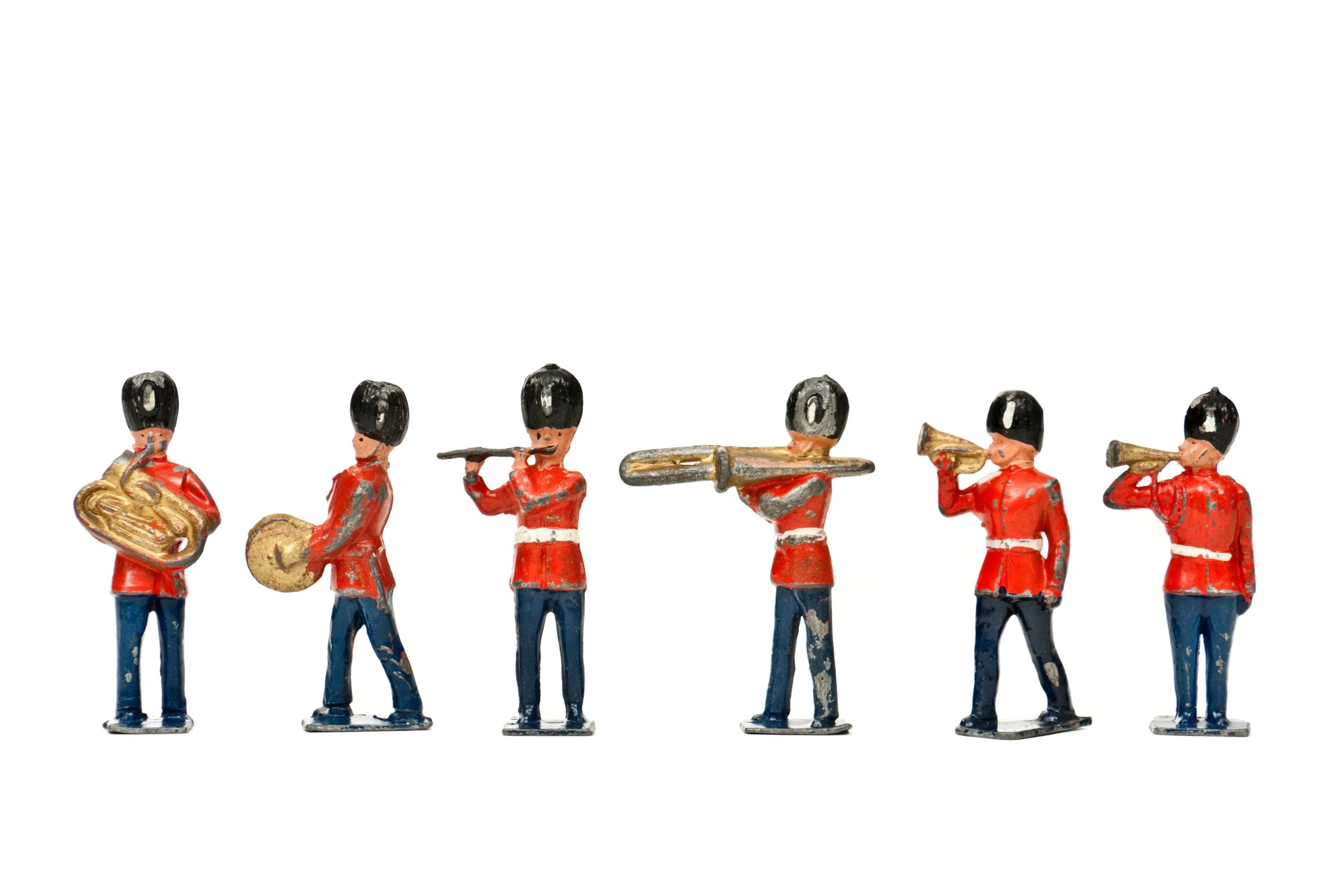
Vintage toy soldiers. Marc Tielemans / Alamy / 2011.
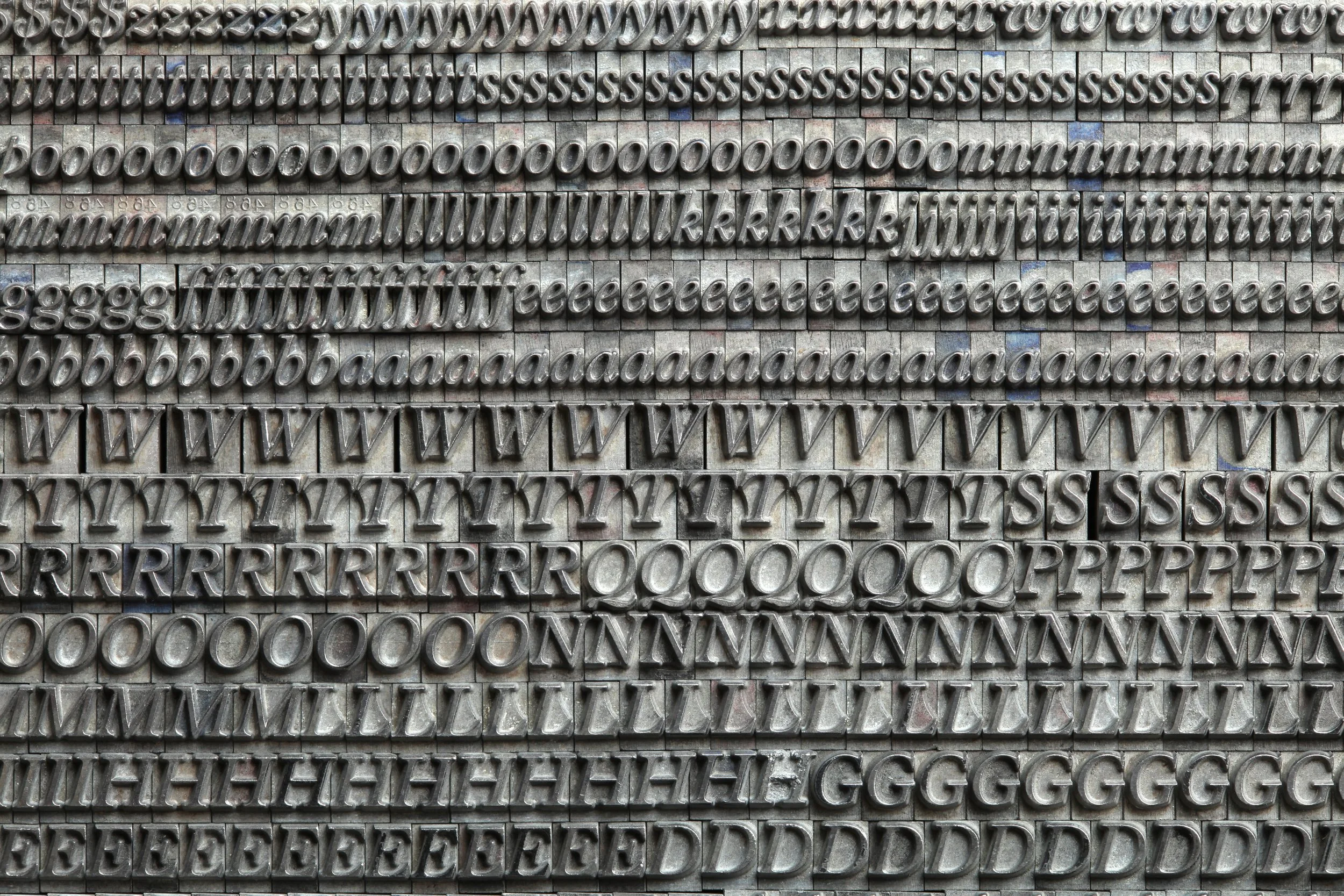
Leigh Prather, Letterpress blocks, 2009. Image used under license from Shutterstock.com.
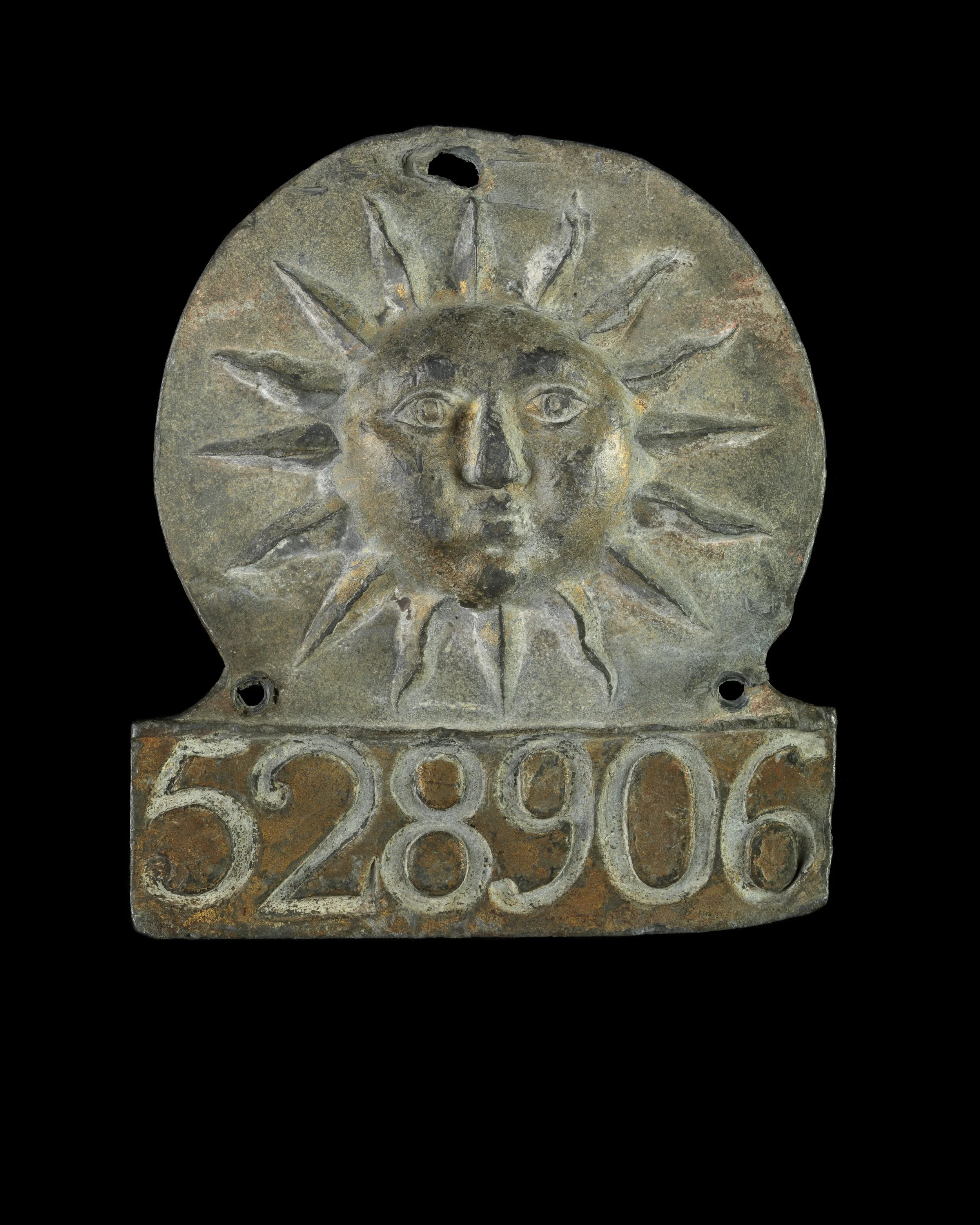
English, Sun Fire Office Fire Mark, 1785-1790. Lead. American History Museum, Smithsonian Institution, Gift of CIGNA Museum and Art Collection, nmah_1343187.
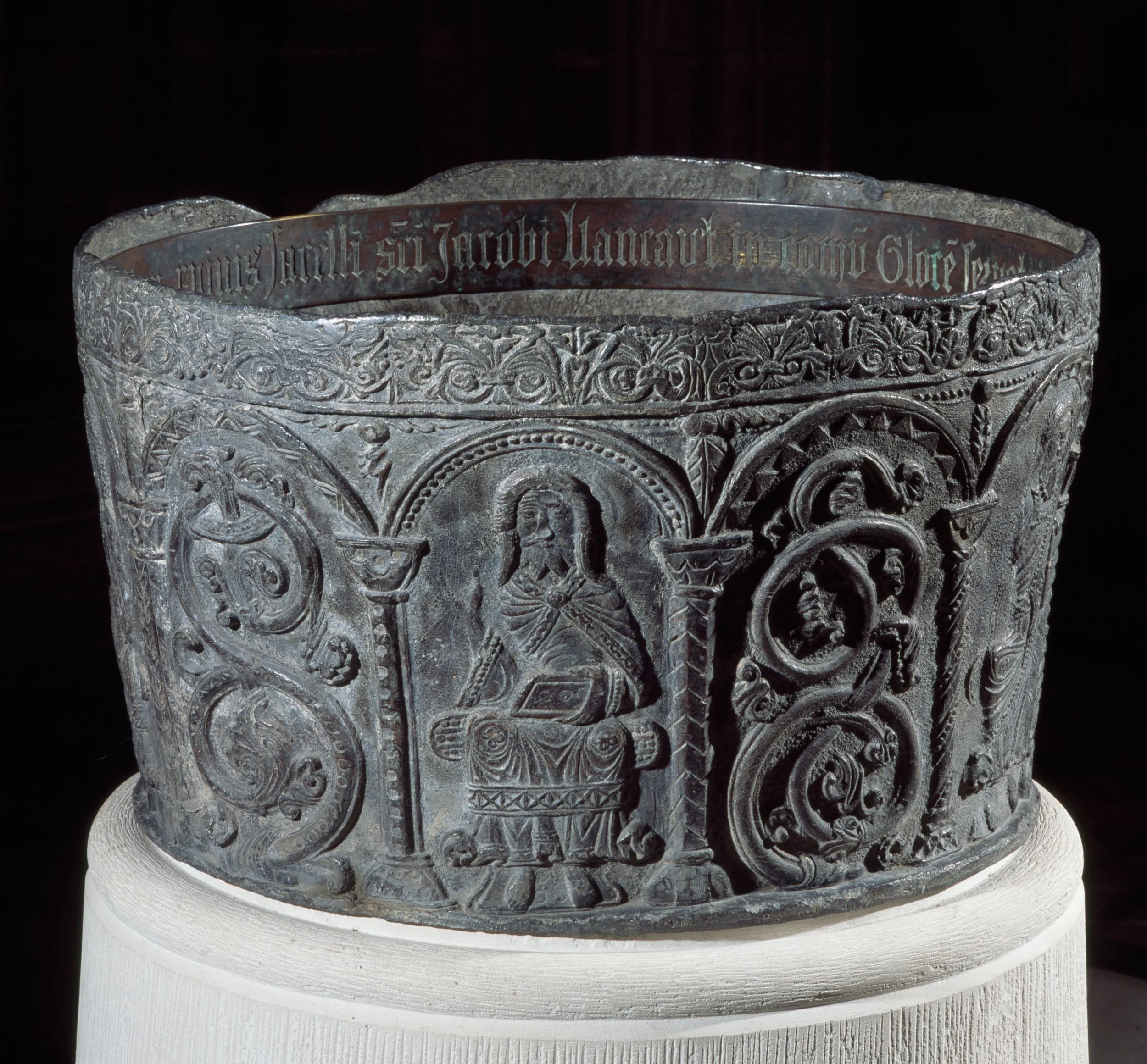
Lead Font, Gloucester Cathedral, C.1130-40. Originally made for St James' Church Lancaut Gloucestershire. Romanesque but showing continuing influence of Pre-Conquest Anglo-Saxon styles. Angelo Hornak / Alamy / 2004.
For many centuries chemists labored to change lead into precious gold, and eventually found that precious uranium turned to lead without any human effort at all.
– Isaac Asimov
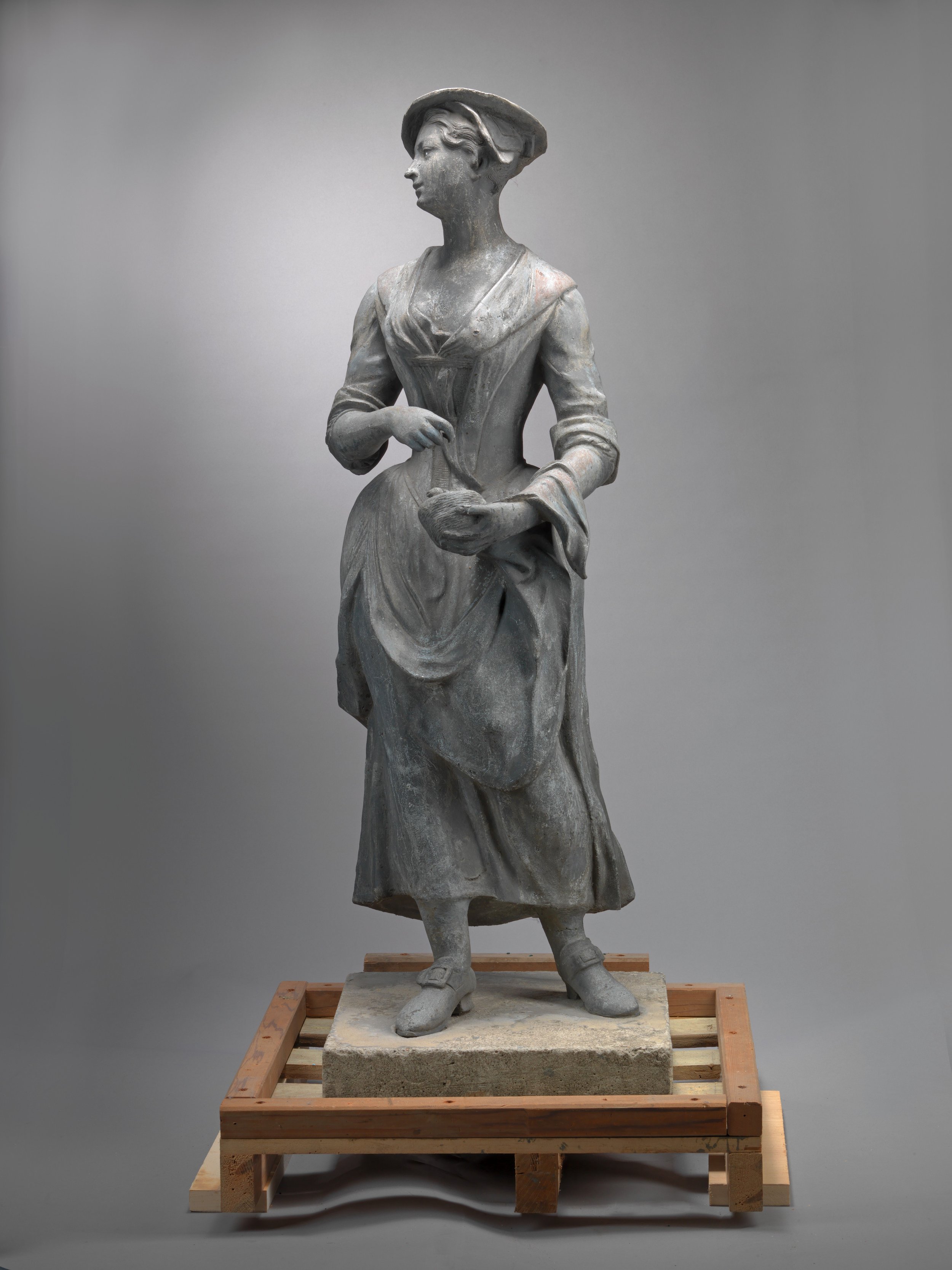
Unknown artist, A Shepherdess with a Bird's Nest, ca. 1750, Lead, Yale Center for British Art, Paul Mellon Collection, B1993.30.35.
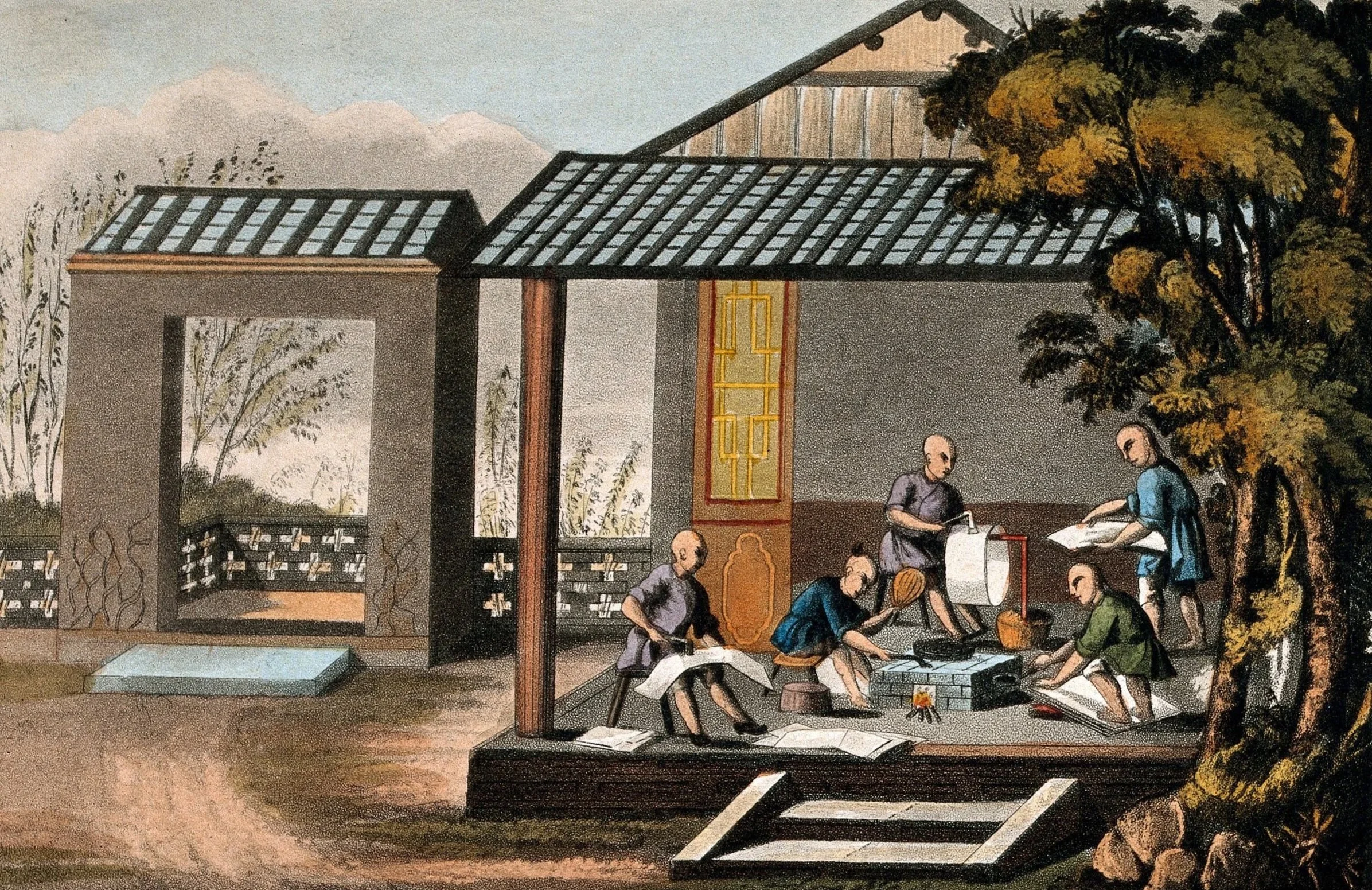
A tea plantation in China: workers prepare lead for tea containers, early 19th century. Aquatint in color. Wellcome Collection, 25269i. Source.
The bellows are burned, the lead is consumed of the fire; the founder melteth in vain: for the wicked are not plucked away.
Jeremiah 6:29-30
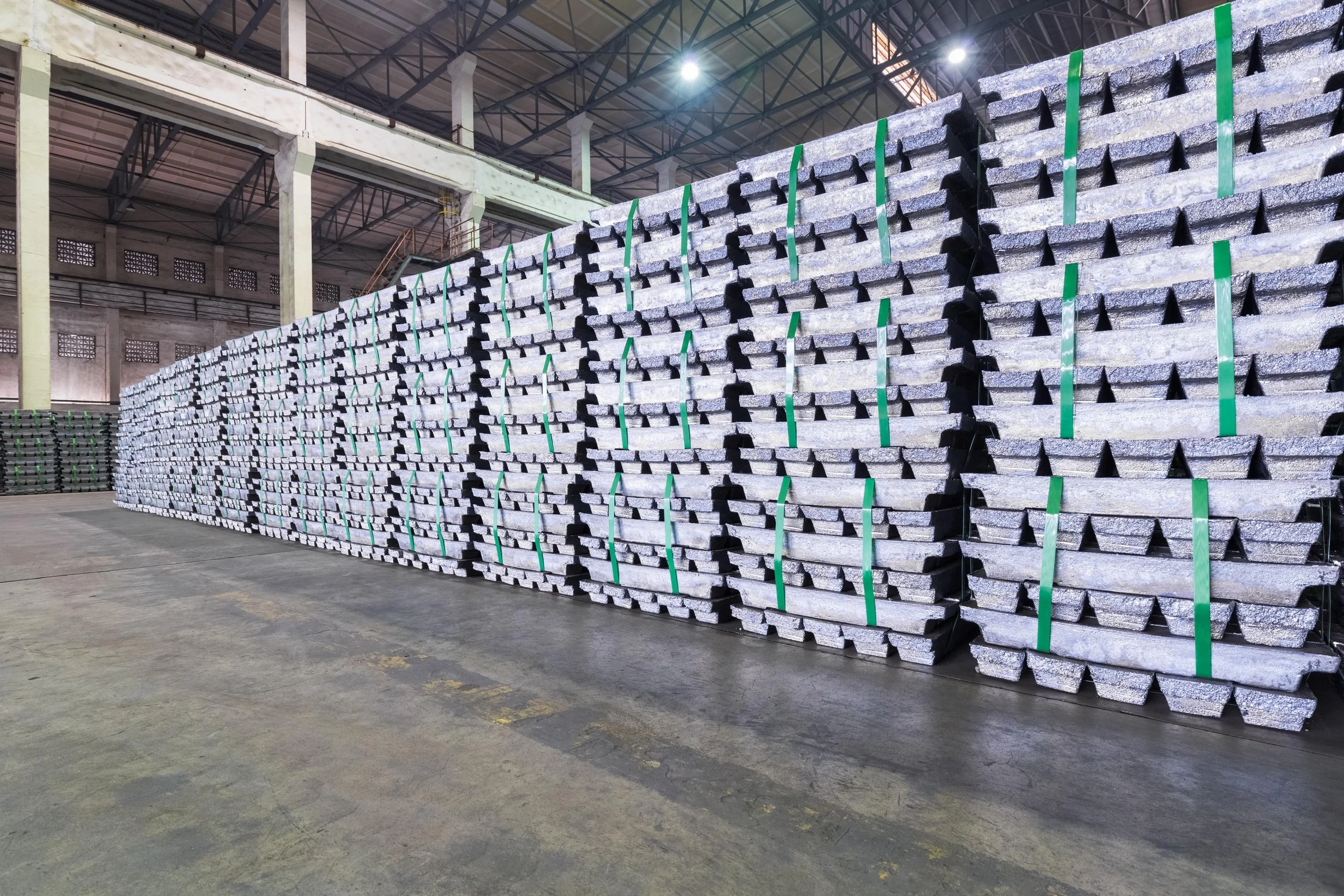
Lead ingots in a factory warehouse, 2016. Zoonar / zhang zhiwei / Alamy.
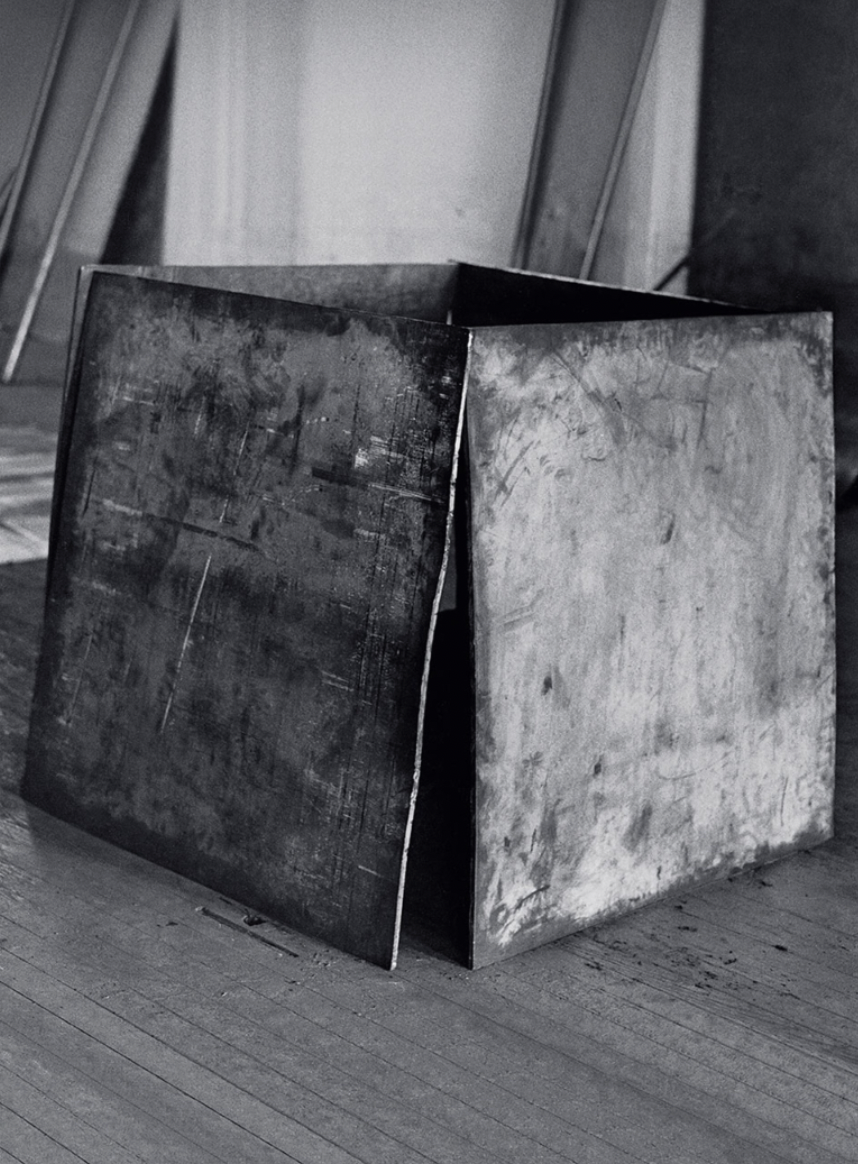
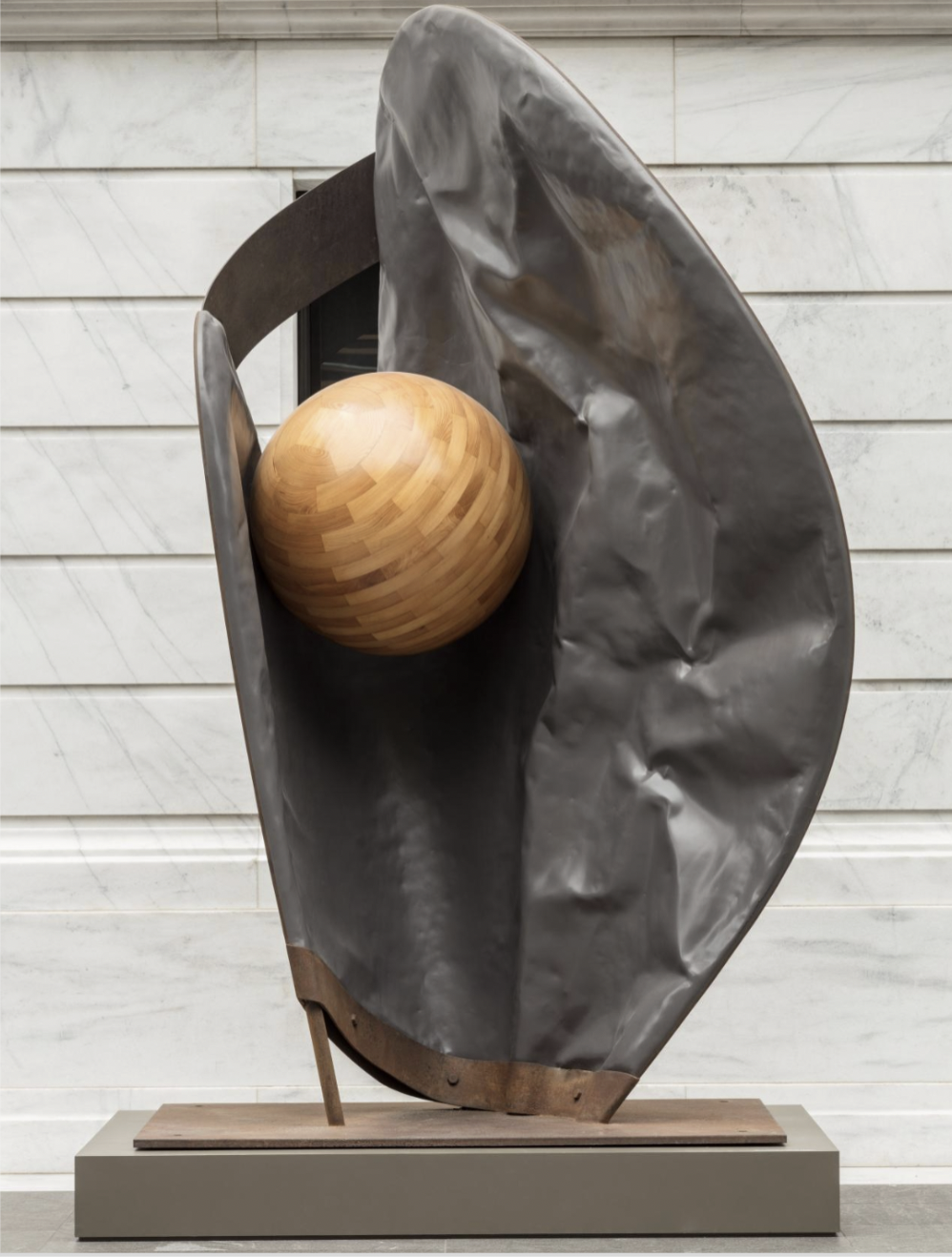
‘I can’t say how, but there was the lead; I felt it under my feet, dark, poisonous, and heavy, for two miles along a stream in a wood where, among the lightning-struck trunks, wild bees nest,’
– Primo Levi, The Periodic Table
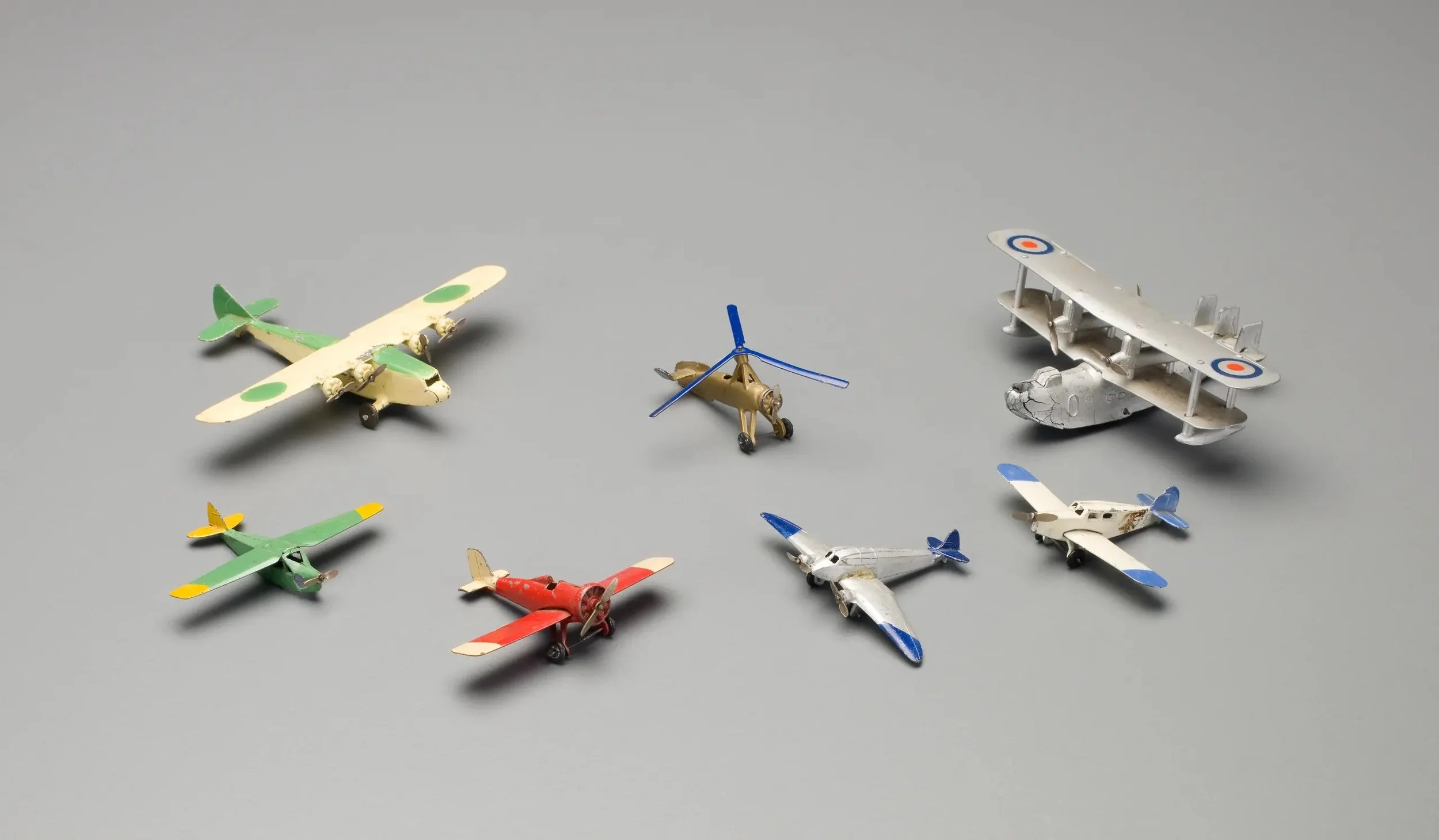
Collection of Dinky toy aircrafts (6), metal, Meccano Ltd, Liverpool, England, 1934-1940, used Wyatt family, Hobart, Tasmania / Roseville, New South Wales, Australia, 1935-1942. Powerhouse Collection, Gift of Ruth & Richard Wyatt, 2008, 2008/158/1.
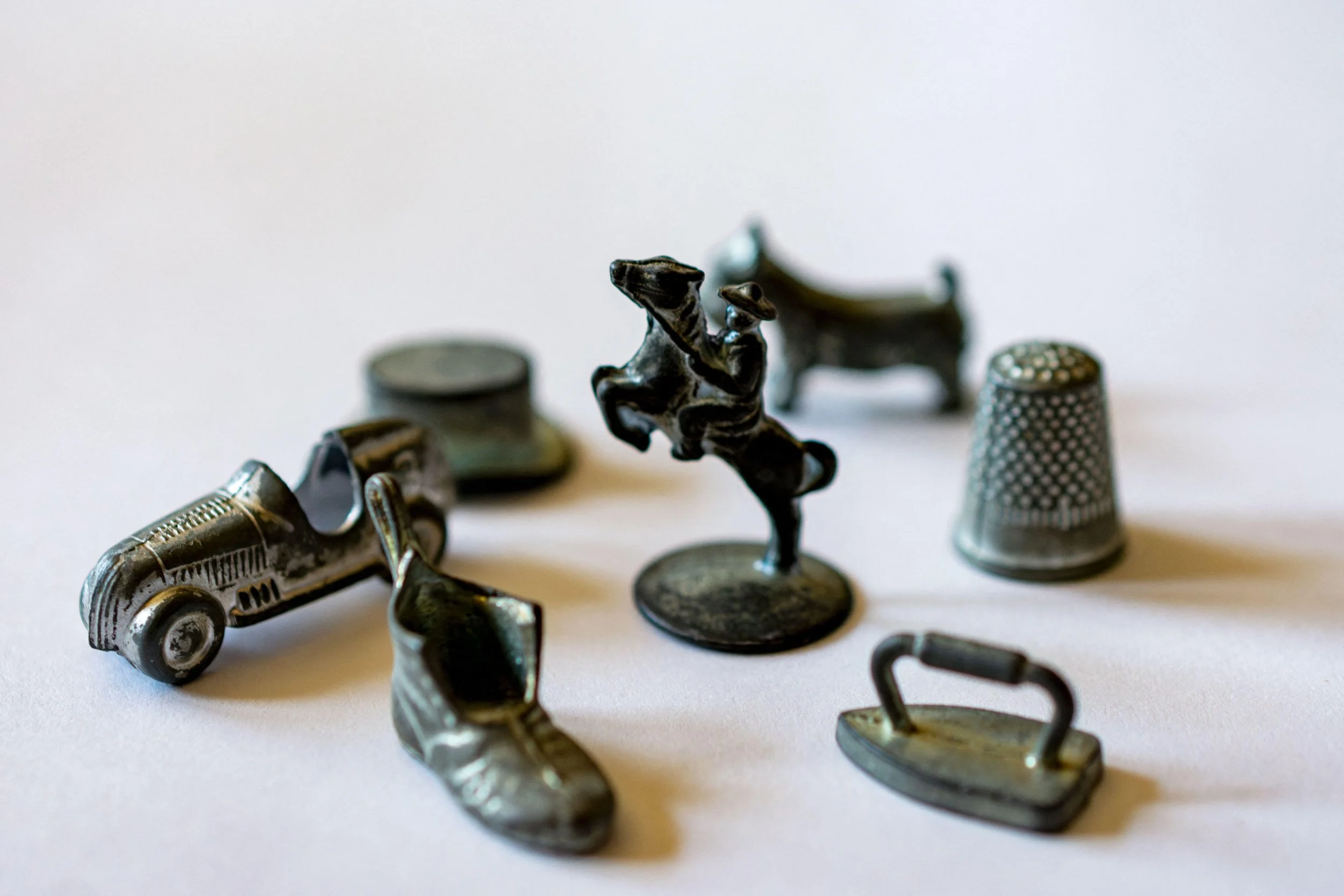
Original Monopoly markers including horse, iron, shoe, car, hat, dog, and thimble on white background, 2021. Jennifer Tepp / Alamy.
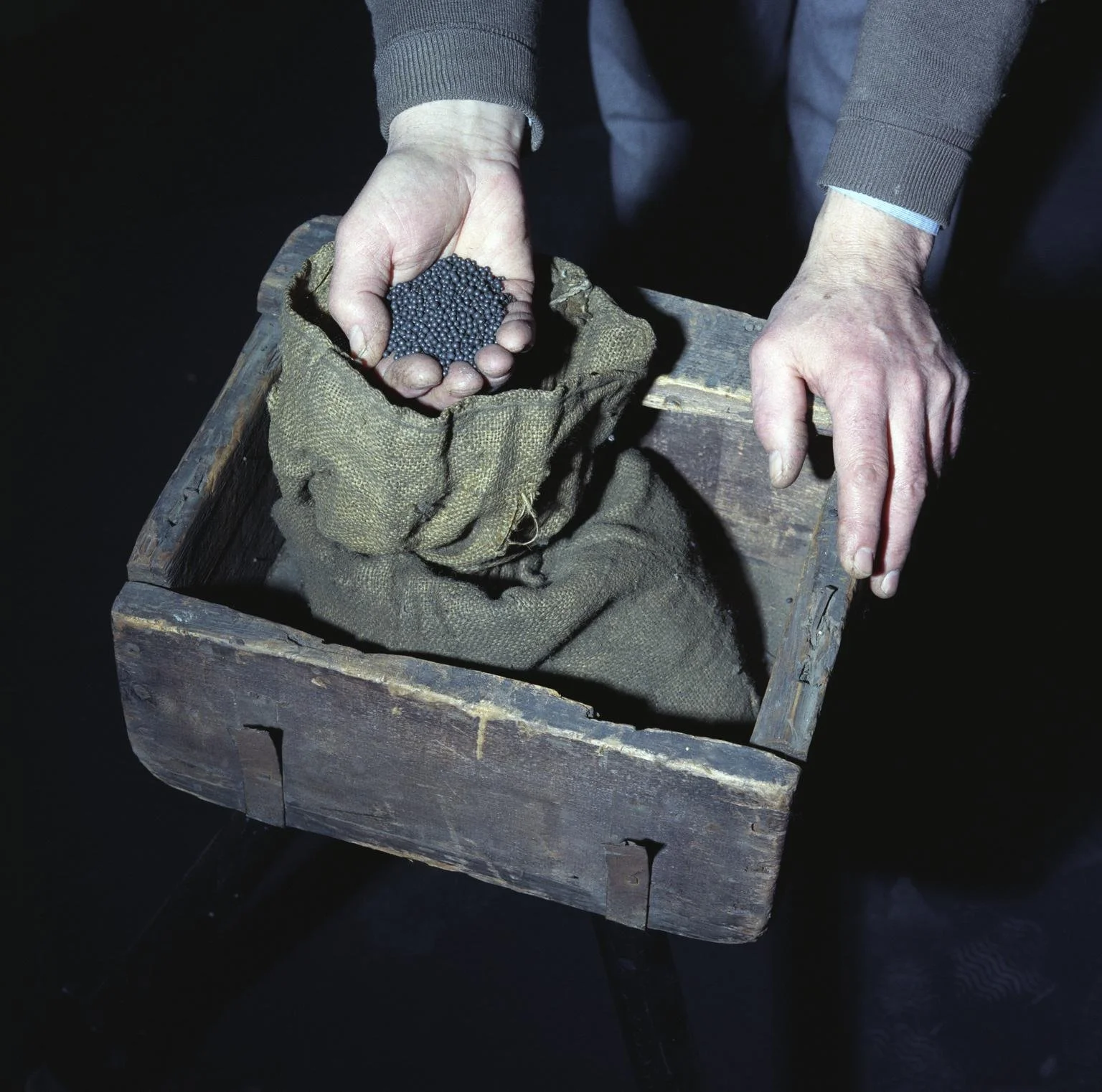
Bullion box containing lead shot, 1855. British Rail, Historical Relics, Science Museum Group Collection, © The Board of Trustees of the Science Museum, 1976-7961.
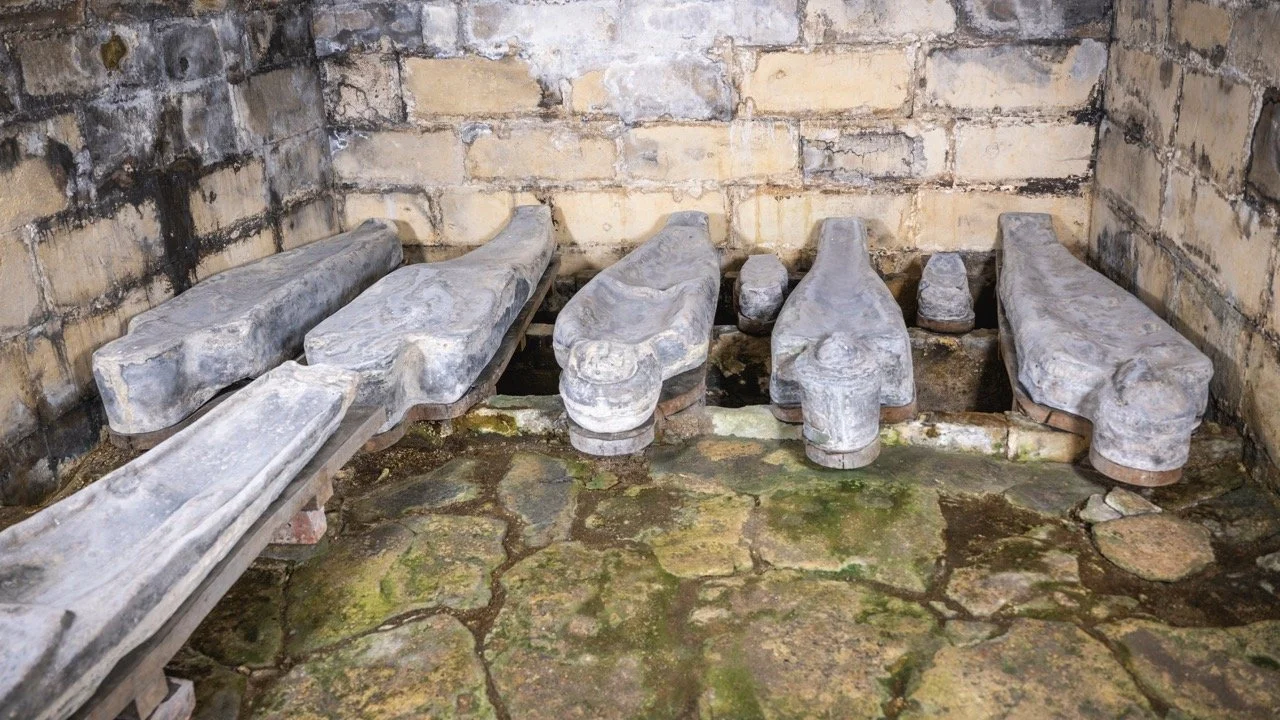
Mark Seymour, Underneath the chapel at Farleigh Hungerford is a burial vault holding the best collection of human-shaped lead coffins in Britain thought to be members of the Hungerford family, 2025. Image used under license from Shutterstock.com.