Wine Wood Whisky
Johanna Ngoh
Days in Jerez are hot, hazy and monotonous. The Andalusian sun requires nothing if not patience: it’s an apt metaphor for the incubation of Scotch whisky.
Being thoroughly devoid of any breeze, nights in Jerez feel equally long, its many alleys heaving; everywhere, there is flamenco and richly flavoured plates of seafood and pork. Both are best enjoyed with cold glasses of sherry, an eponym derived from the anglicization of Jerez proper, and the wine that has become the region’s most famous export: flowing by the glass in its many tabancas, resting in its dusky bodegas by the “butt” the term for the 500-liter oak casks used by Jerez winemakers, and a precious commodity long sought after by Scotch whisky distillers.
Not unlike the Auld Alliance that existed between Scotland and France in the medieval era, the story of Scotch whisky and sherry wine is that of an international symbiotic relationship. It has evolved since Sir Francis Drake attacked the nearby port of Cádiz in 1587, and plundered three thousand casks of sherry stored at the docks. The wine soon found its way back to the British Court, so the story goes, and there it became all the rage to drink the pillaged sherry as a celebration of England’s victory.
Come the 1800s, sherry’s popularity in Britain had grown. A number of English merchants established cellars, and it was not long before the taste for sherry begat a taste for sherried whisky, courtesy of the steady stream of casks that were now being shipped to Britain by sea. Here the casks were offloaded from their holds, then either disgorged into bottles, or delivered to shops and bars. There, customers might drink the sherry on the premises, or fill it into their own containers.
Recycling of these casks quickly became an integral part of making Scotch whisky. Distillers and blenders quickly came to appreciate the enhanced quality of whisky matured in what was known as ‘sherry wood’, widely credited with yielding a more mellow, palatable spirit. Demand for these second-hand, sherry-soaked casks continued to grow into the twentieth century, but by the 1960s the writing was on the wall: bodegas in Jerez began shipping most of their wine by bottle or by tanker. Finally, in 1986, Spanish legislation mandated that all sherry must be bottled in Jerez.
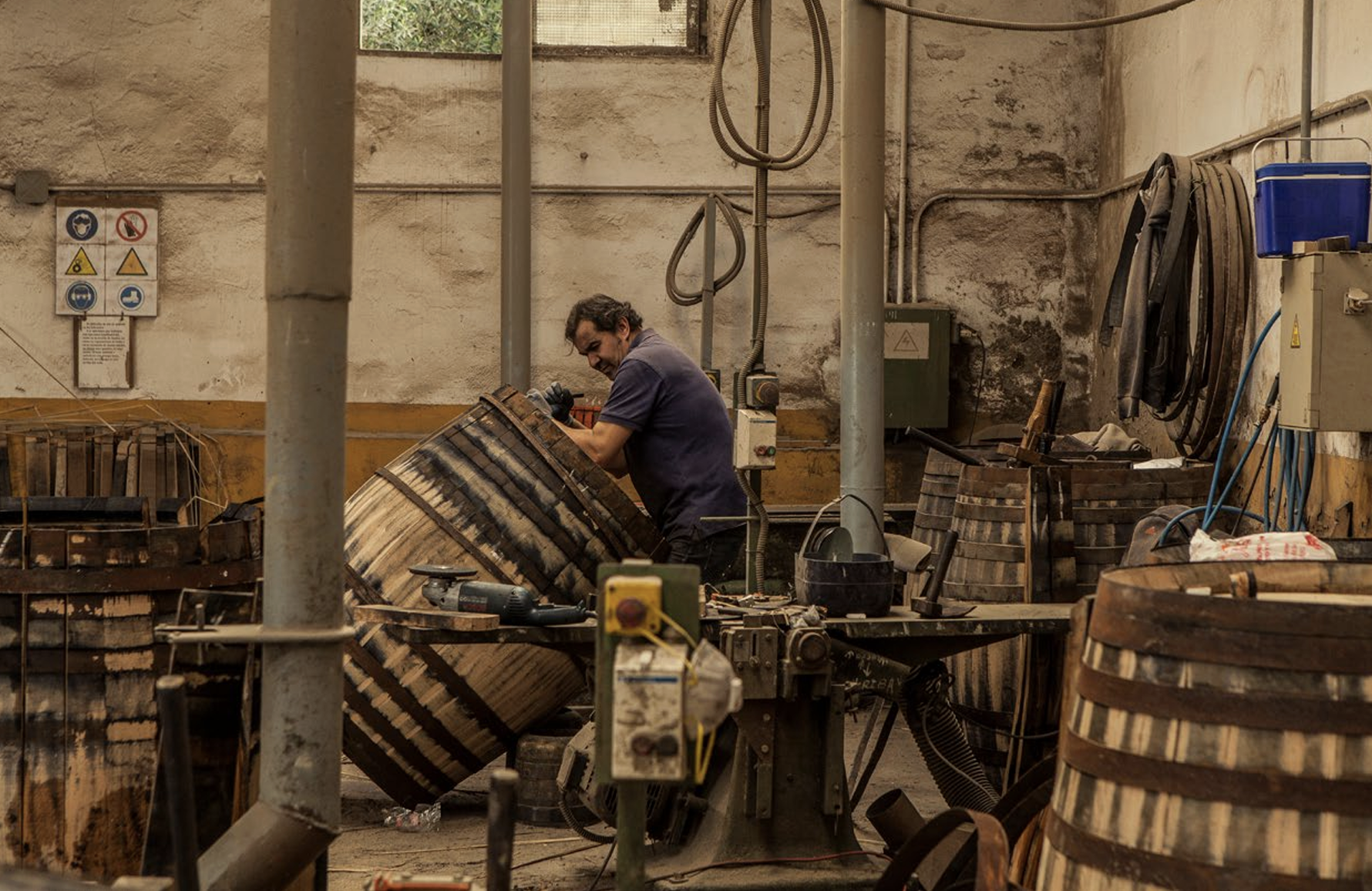
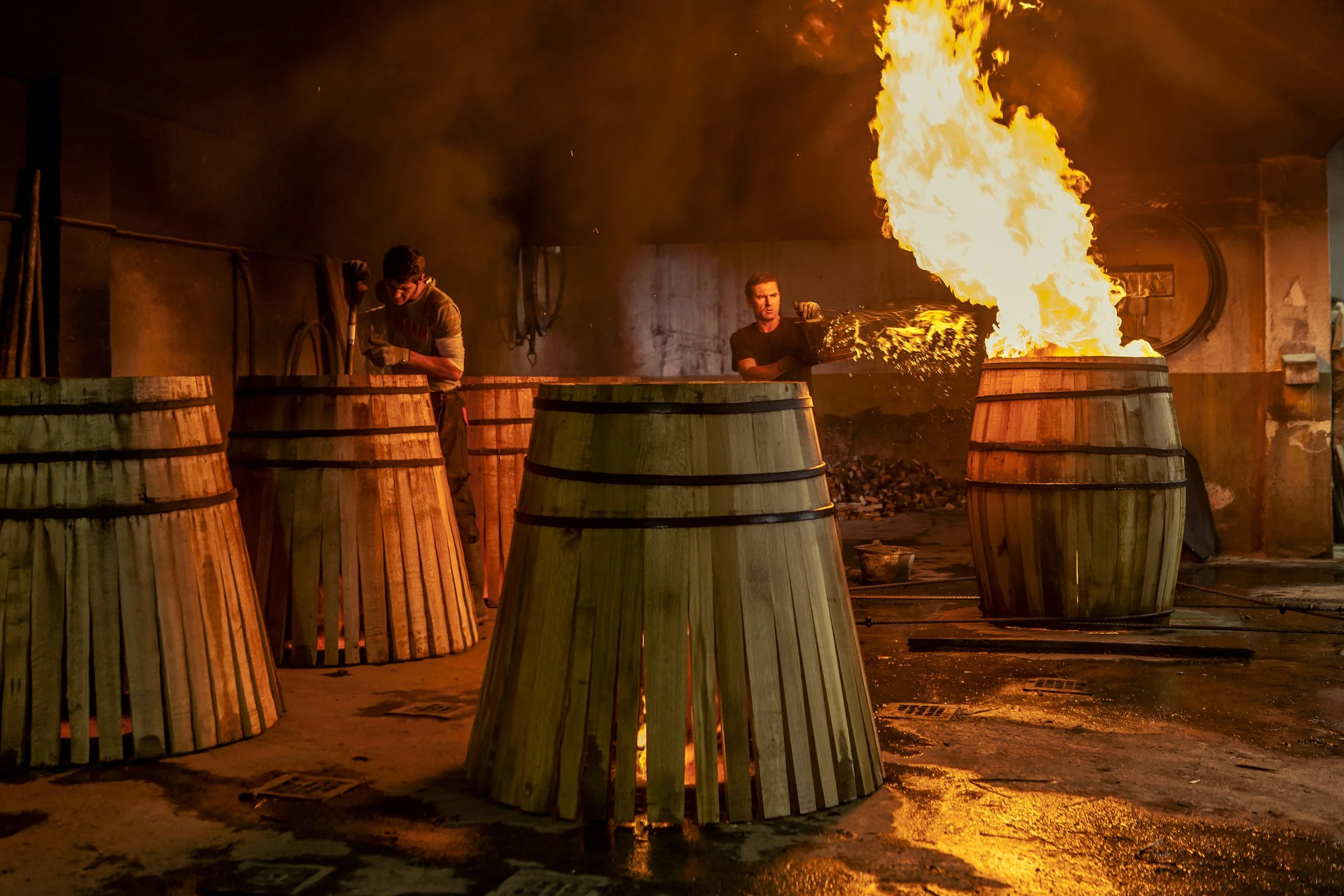
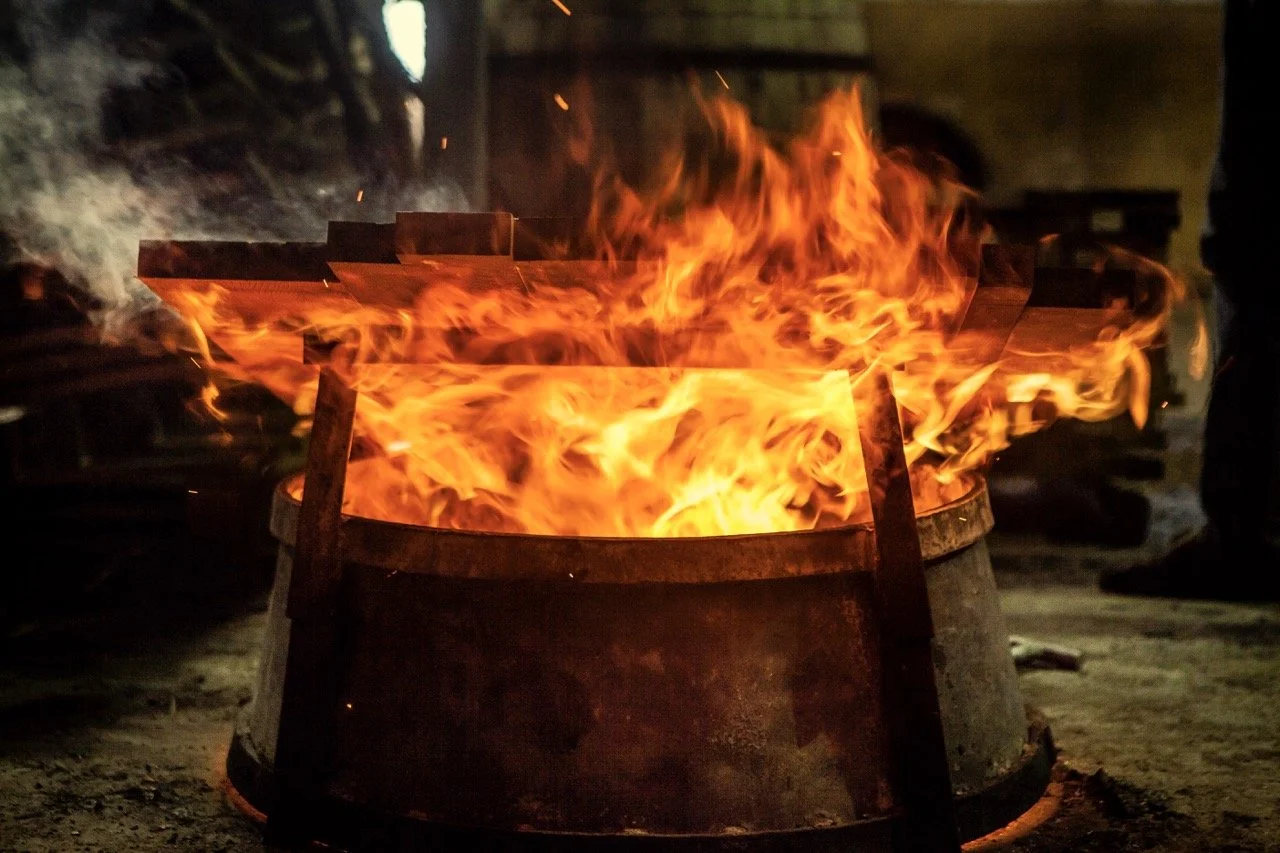
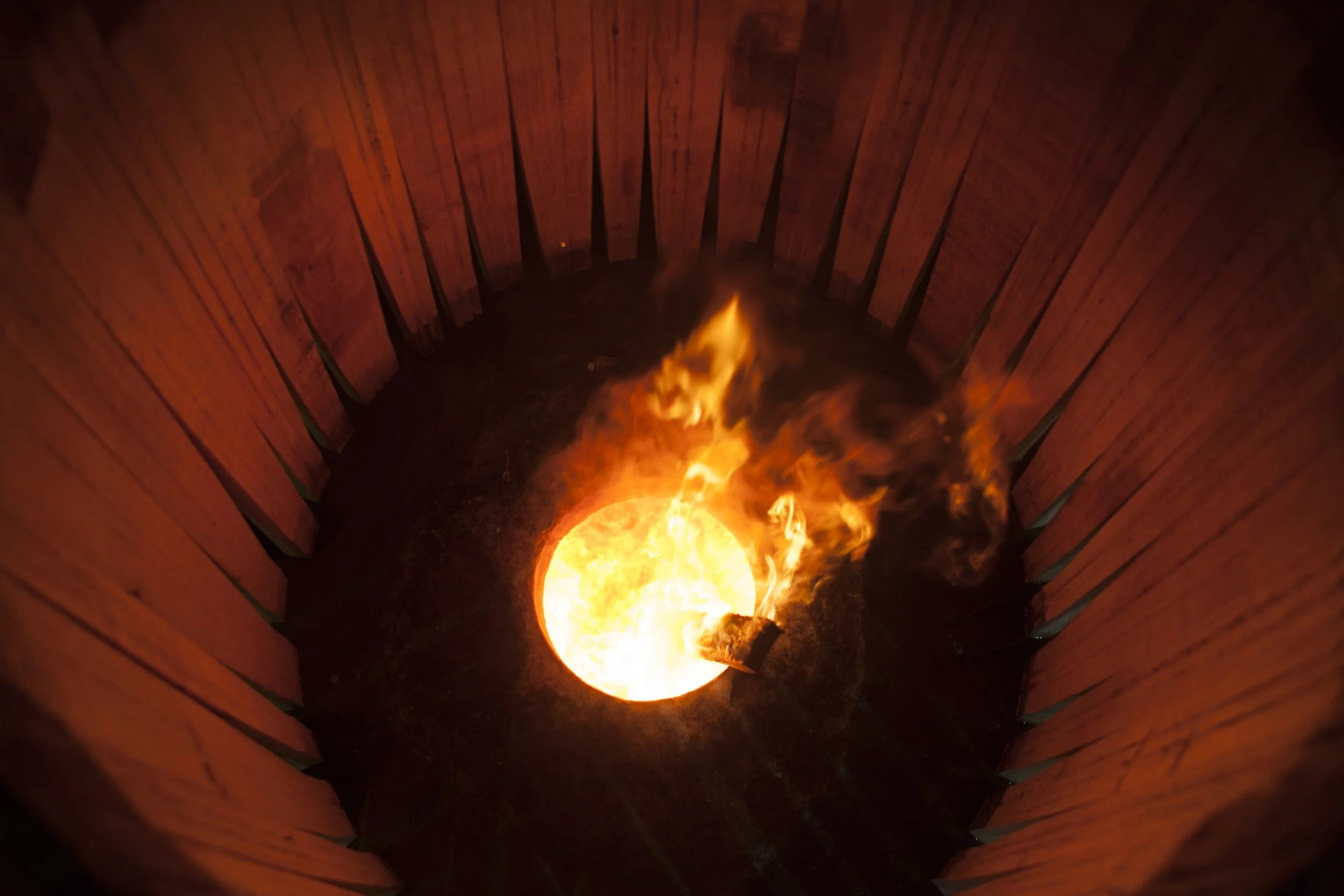
Today, with casks no longer being used to transport sherry, Scotch whisky makers travel directly to Spain to commission their own casks. These are filled with sherry to ‘season’ the oak before they are ready to be shipped to Scotland and mature its whisky. Demand in Jerez for these tailor-made sherry casks has grown steadily over the past twenty years, and it is now a lucrative, secondary industry that bolsters the waning market for sherry as a wine. Local cooperages partner with bodegas who supply them with sherry that soaks into the casks’ wooden staves for anywhere from six months to five years, after which time it is distilled into Brandy de Jerez or sherry vinegar.
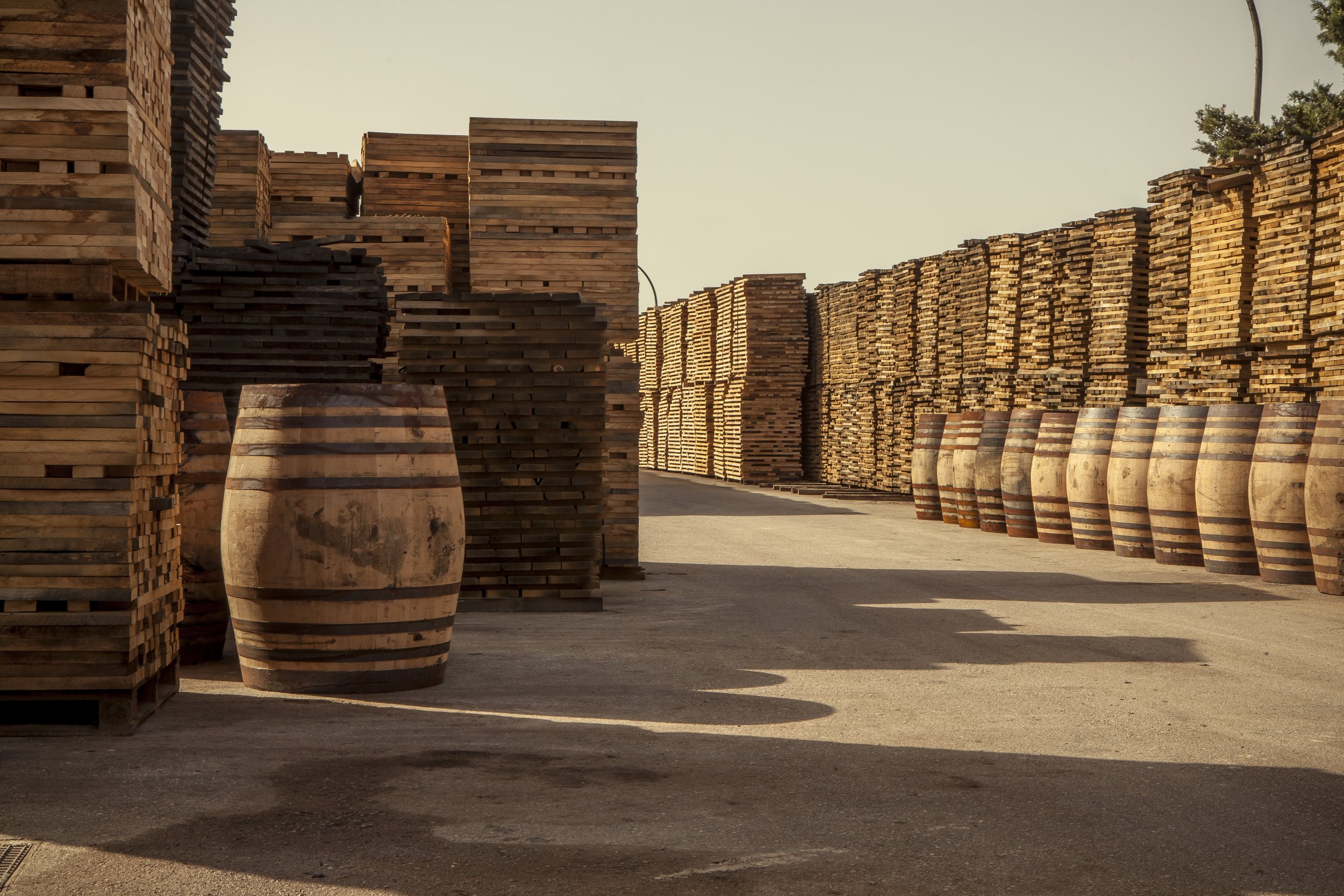
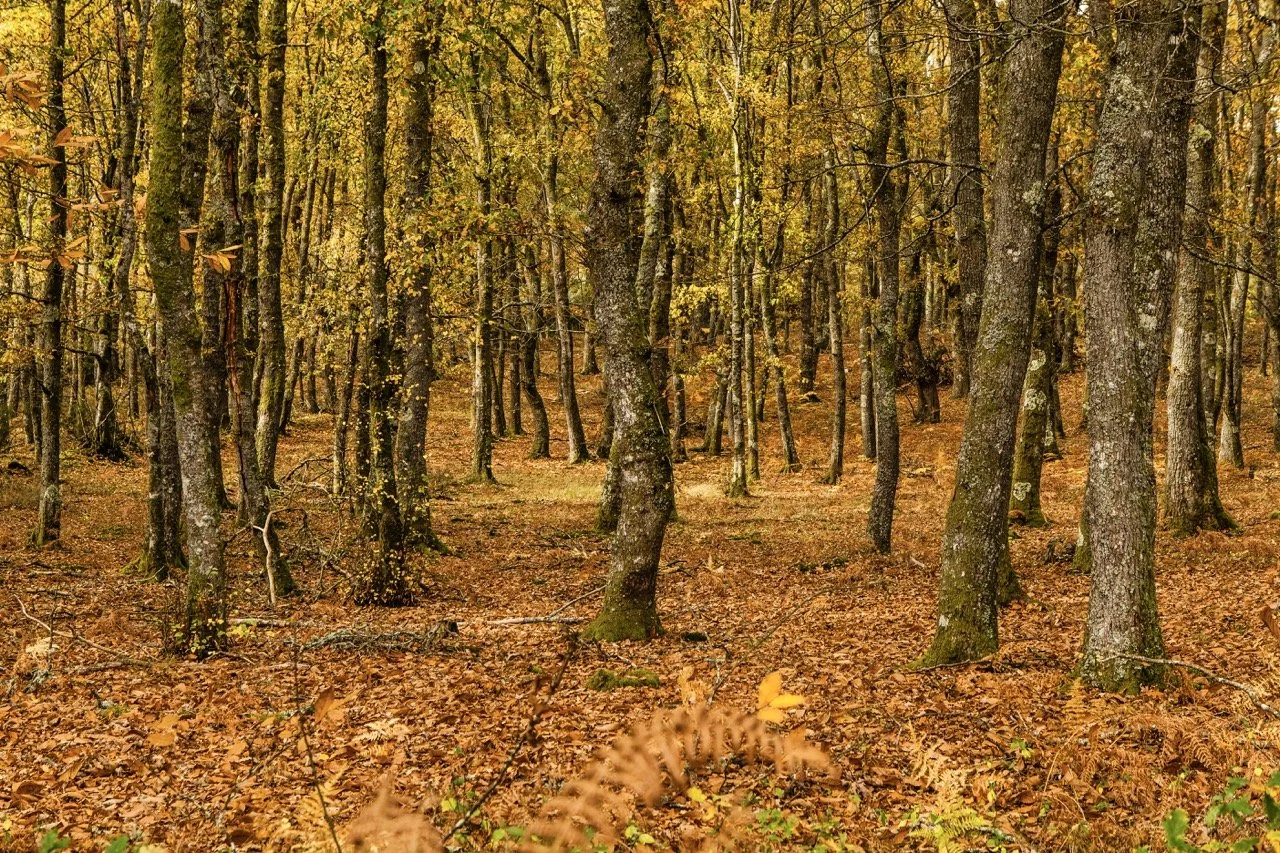
While most of these workshops source Quercus alba, American White Oak, from the eastern United States, a few select coopers have access to a steady supply of Querbus robur, more commonly known as European Oak, harvested in the forests of Galicia and Cantabria in Northern Spain, and prized for maturing whiskies that command the highest premium. The distinction is not a small one: European Oak has become a precious commodity among coopers and distillers, its harvest strictly regulated by local governments given its slow growth. While American Oak is felled at between forty and fifty years of age, European Oak is harvested at a hundred years. Once harvested the lumber is quartered and dried as staves for an average of nine months on-site in Galicia, before being shipped to Jerez to be air dried for up to another eighteen to thirty-six months, as per the distiller’s specification. For the most part these are fashioned into butts with a capacity of 500 liters, or 250-liter hogsheads. Whereas young sherry is used to season most bespoke casks (by law sherry must be aged for a minimum of two years), the most exacting clients accept nothing less than four- to five-year-old sherry. In keeping with the tradition of transport casks that originally found their way to Scotland, most casks are filled with Oloroso, a velvety brown style of sherry that tastes of raisins and dried fruit, though Fino, Manzanilla and Pedro Ximénez sherries are also used.
This new breed of cask would seem to be a win-win for both whisky and sherry, so much so that winemakers outside the officially recognised denomination of Jerez are now supplying their own casks to distillers, despite the fact that their wines (as excellent as they may be) cannot legally be called sherry. It has become a point of contention that has seen the Jerez regulating council legally protect the term ‘sherry cask’, as well as certifying who can legally use the mark.
But for many distillers, a rose by any other name would smell just as sweet: sherry has become so integral to the overall flavour profile of Scotch whisky that many of these casks are now in fact home grown. In what is perhaps one of Scotch whisky’s best kept secrets, a significant portion of ‘sherry casks’ have their provenance in Scotland’s central belt, in what is cheekily referred to as the Scottish bodega. It is here that Diageo, the world’s largest distiller, maintains the Cambus Cooperage to service the casks for its twenty-nine distilleries. Next door is a separate facility where, for the past thirty years, casks purchased in Spain, France and America have been filled with wine imported from Montilla, just outside of Jerez — making the wine sherry in style, but not in name, though for most consumers the difference is largely imperceptible.
While Scotch whisky makers may long for the economy of cheap, disused casks sitting in British sea ports, most insist that taking control of the manufacture and seasoning of sherry casks has resulted in a more consistent standard - having seen their fair share of subpar butts disassembled into defective, leaking staves. Here is the ironic reality of this symbiotic relationship: though sherry is quietly becoming fashionable again, the industry is a pale shadow of its former self and its market share continues to decline, with bodegas shuttering on a regular basis. Meanwhile the need for sherry casks continues unabated as an essential commodity in satisfying the soaring global demand for Scotch whisky.
Johanna Ngoh is the publisher of Distilled, a magazine that explores the craft and culture of fine spirits through word, photography and illustration. She is also the founder and executive producer of the Spirit of Toronto, Canada’s premiere tasting event showcasing whisky and fine spirits since 2004.
Photography © Carlos Spottorno