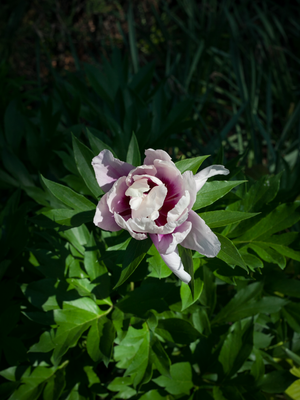
Gallery

The Obsidian Skerry, Sigmundur Andrésson (Icelandic), Hrafntinnusker, Iceland, 2011, courtesy, Sigmundur Andrésson.
There is a sort of natural Obsidian Glass,
which is rather to be rank’d among Stones, than Metals;
for ’tis as passive as the former,
enduring the graving Tool, and receiving Images,
and is diaphanous or pellucid,
transmitting (like Glass) all Forms and Shapes.
— Guido Pancirollus,
The history of many memorable things in use among the ancients, but now lost, 1727
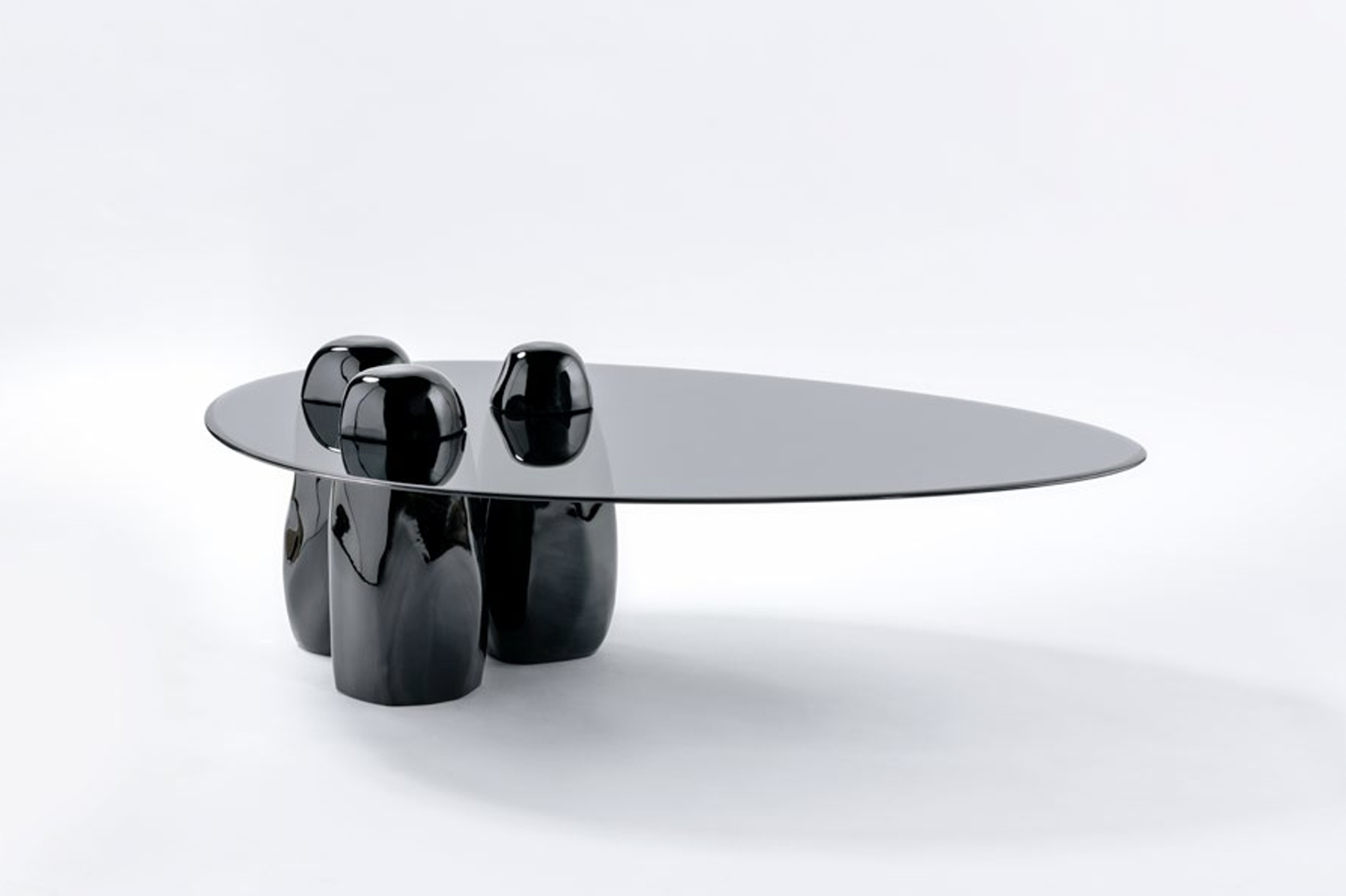
Courtesy of Friedman Benda and Ini Archibong. Photography by Andreas Zimmermann.
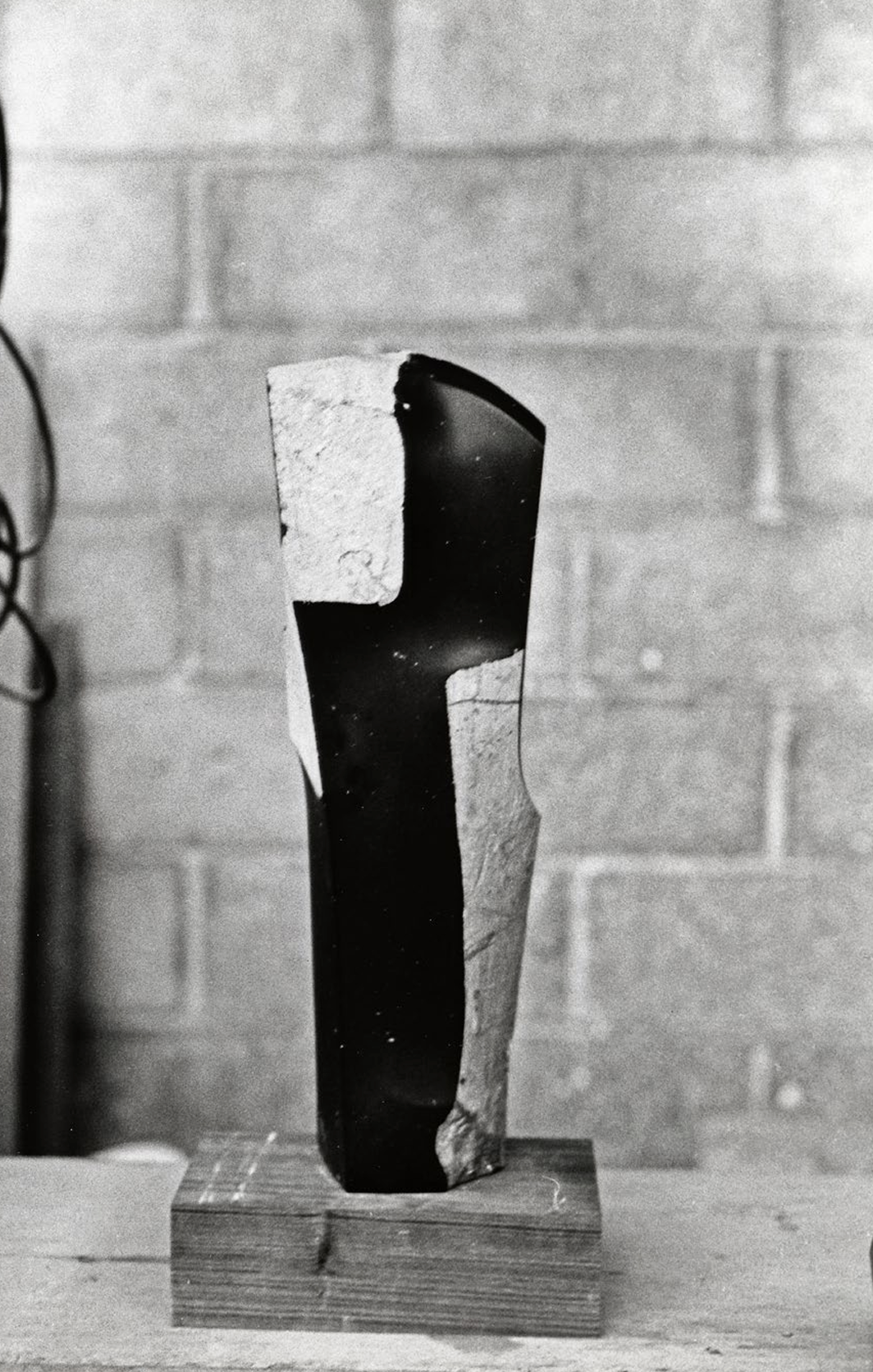
Untitled, Isamu Noguchi (American, 1904–1988), 1981, Obsidian, The Noguchi Museum Archives, 02294 © The Isamu Noguchi Foundation and Garden Museum, New York / Artists Rights Society (ARS) New York.
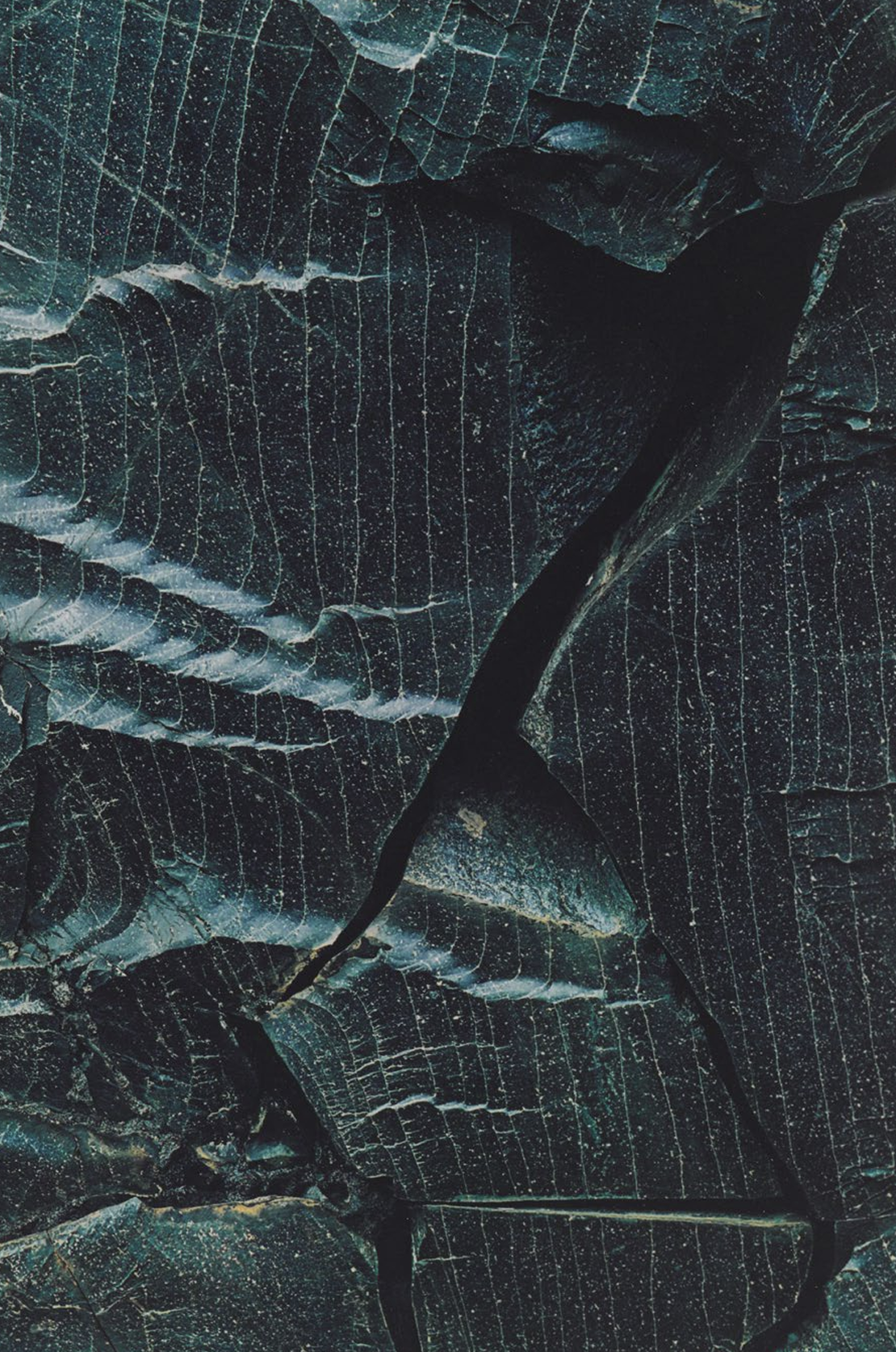
Eliot Porter (1901-1990); Fractured Obsidian, Landmannalaugar, Iceland, June 29, 1972; 1972; Dye imbibition print; Amon Carter Museum of American Art; Fort Worth, TX; Bequest of the artist; P1990.51.2741.1
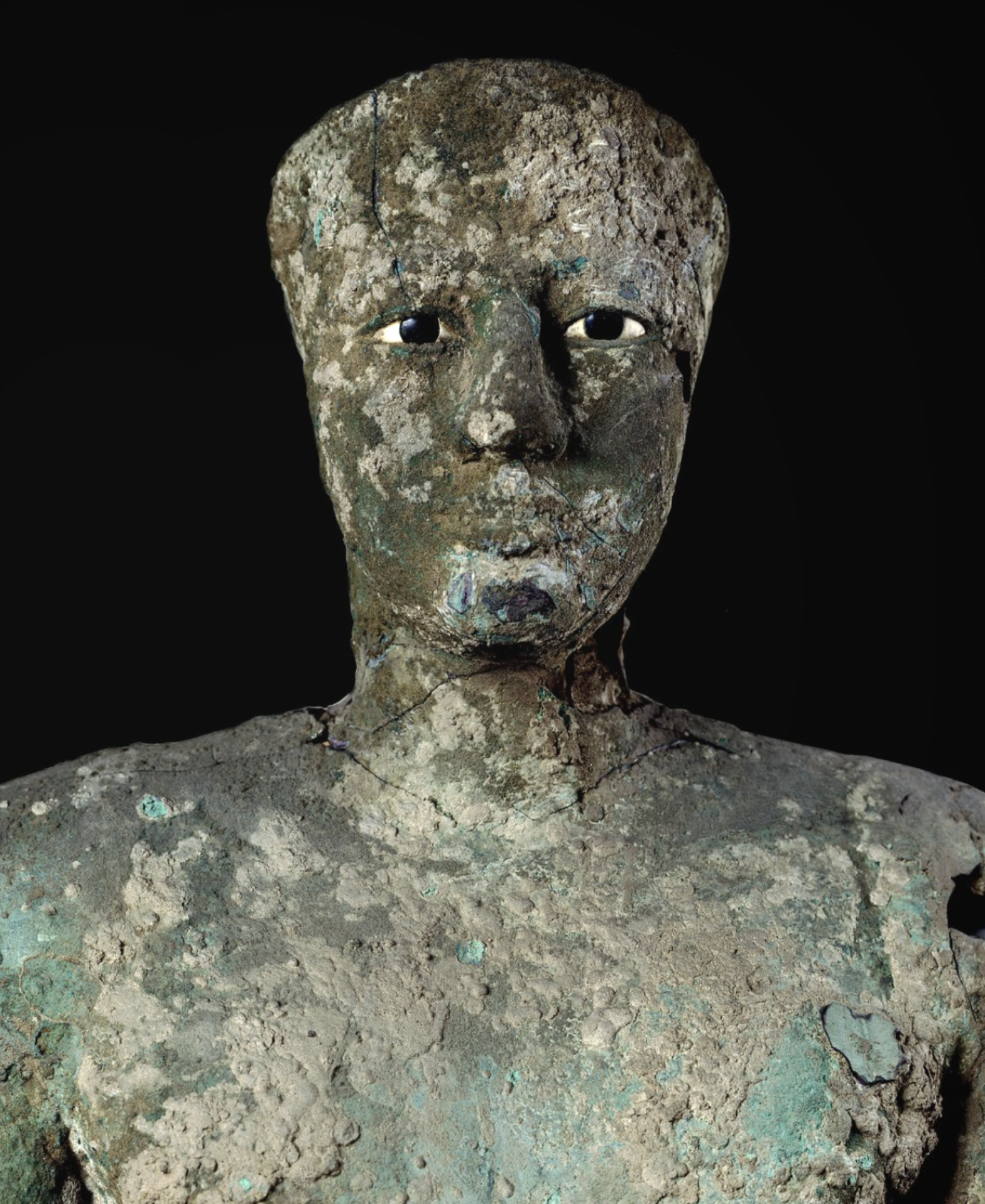
Pepi I from Hierakonpolis, Egyptian, Sixth Dynasty, ca. 2,300 B.C., Copper, limestone, and obsidian, The Egyptian Museum, JE 33034, Scala / Art Resource, New York.
At the corrida we’ll sit in the shade
And watch the young torero stand alone
We’ll drink tequila where our grandfathers stayed
When they rode with Villa into Torreon
Then the padre will recite the prayers of old
In the little church this side of town
I will wear new boots and an earring of gold
You’ll shine with diamonds in your wedding gown
The way it is long but the end is near
Already the fiesta has begun
The face of God will appear
With his serpent eyes of obsidian
—Bob Dylan, Romance in Durango, 1975
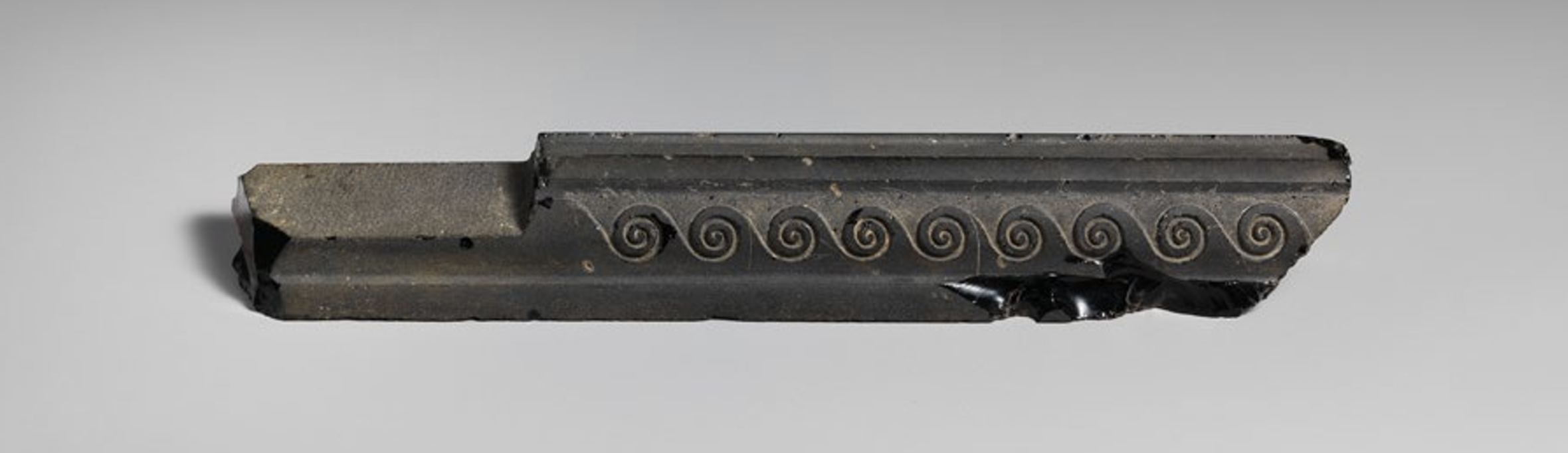
Obsidian furniture attachment, Roman, Early Imperial, Augustan, ca. 25 BCE–10 CE, Obsidian, The Cesnola Collection, Purchased by subscription, 1874–76, The Metropolitan Museum of Art, 74.51.5871.
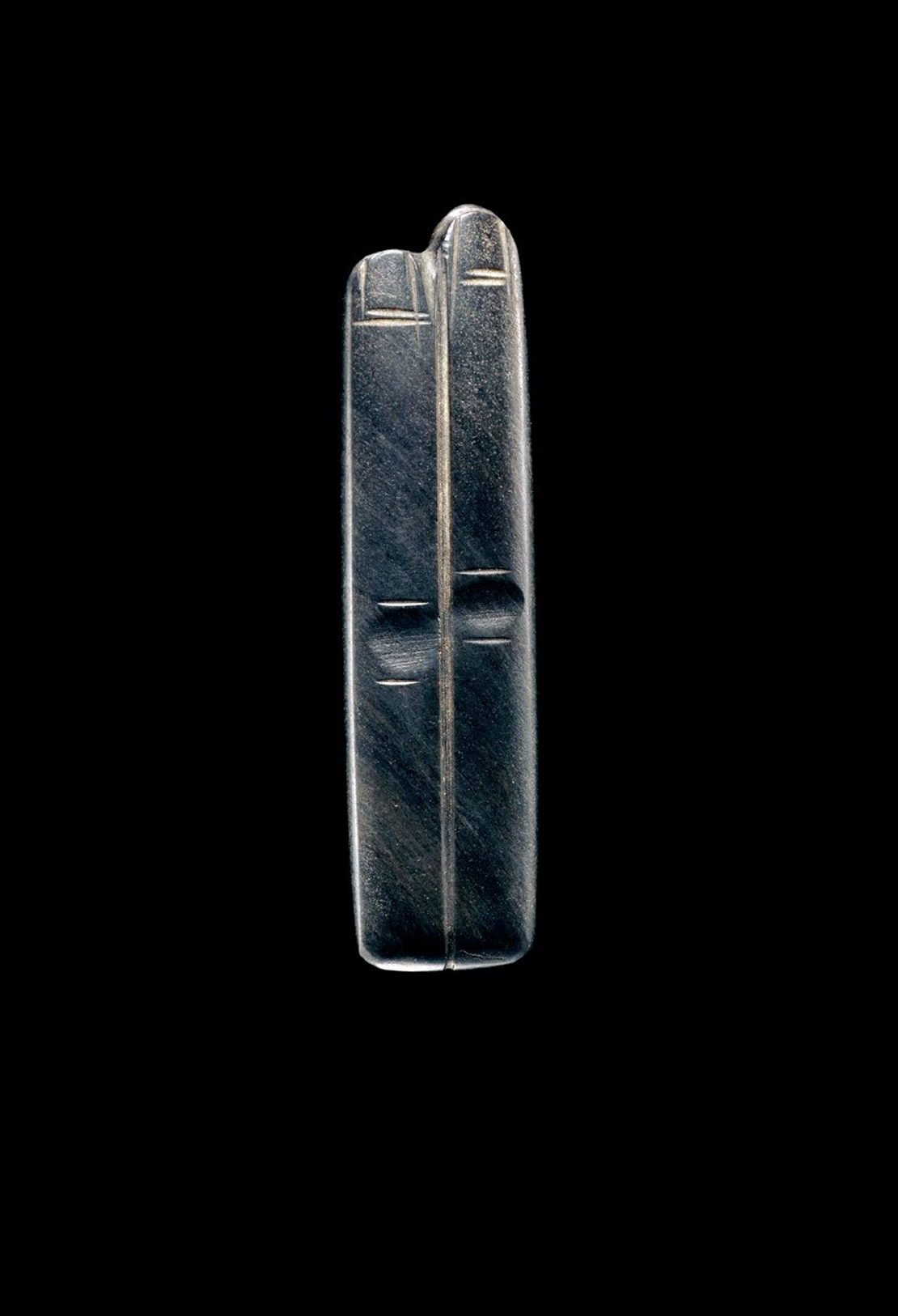
Amulet, Egyptian, Late Period, Incised obsidian, The British Museum, EA59500, © The Trustees of the British Museum.
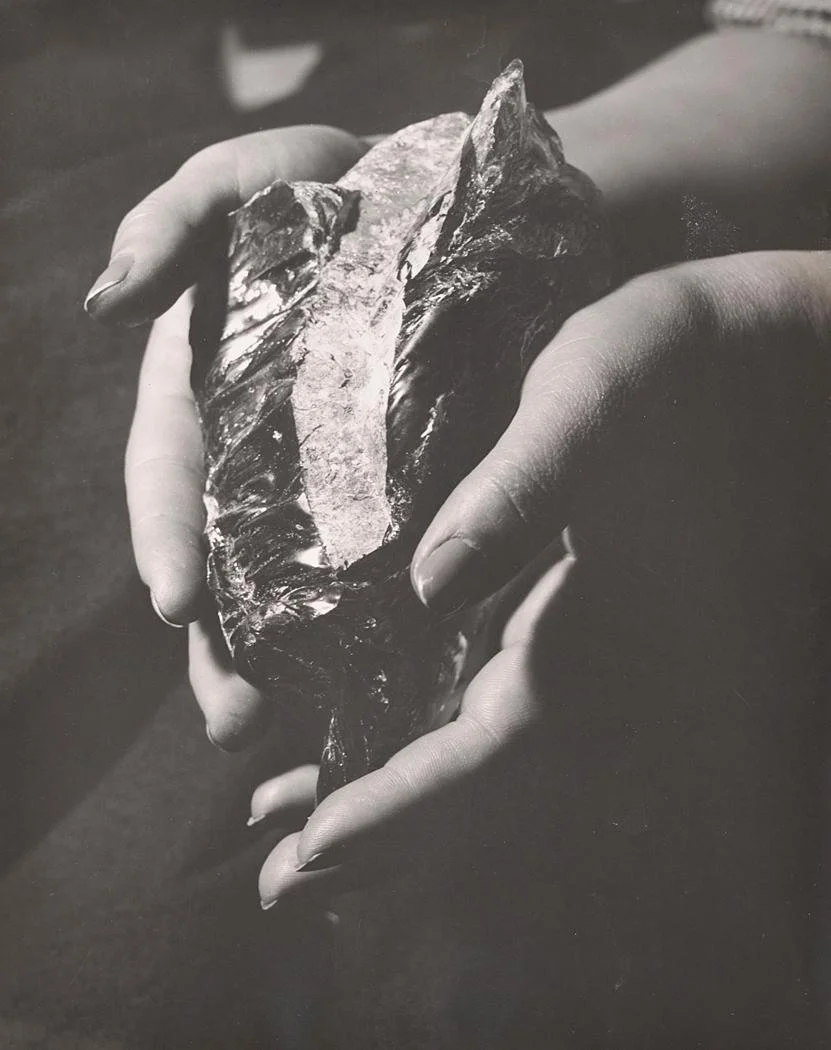
Lola Alvarez Bravo, hands of Lola Alvarez Bravo with piece of obsidian, 1950s. Center for Creative Photography, University of Arizona Lola Alvarez Bravo Archive; 93.6.23. Artists Rights Society (ARS) New York. Photo, Art Resource, New York.
“Mirrors symbolize reality,
the sun, the earth,
and its four corners,
its surface, its depth, and all of its peoples.
Buried in caches throughout the Americas,
they also cling to the bodies
of the humblest celebrators in the Peruvian highlands
or in the Mexican Indian carnivals.
As the people dance, with scissors hanging
from their legs and arms and bits and pieces
of mirrors embedded in their headdresses,
they now reflect the world, salvaging this reflection
of their identity, which is more precious than the
gold they gave Europe in exchange.
Are they not right? Is not the mirror both a reflection
of reality and a project of the imagination?”
— Carlos Fuentes, The Buried Mirror, 1992
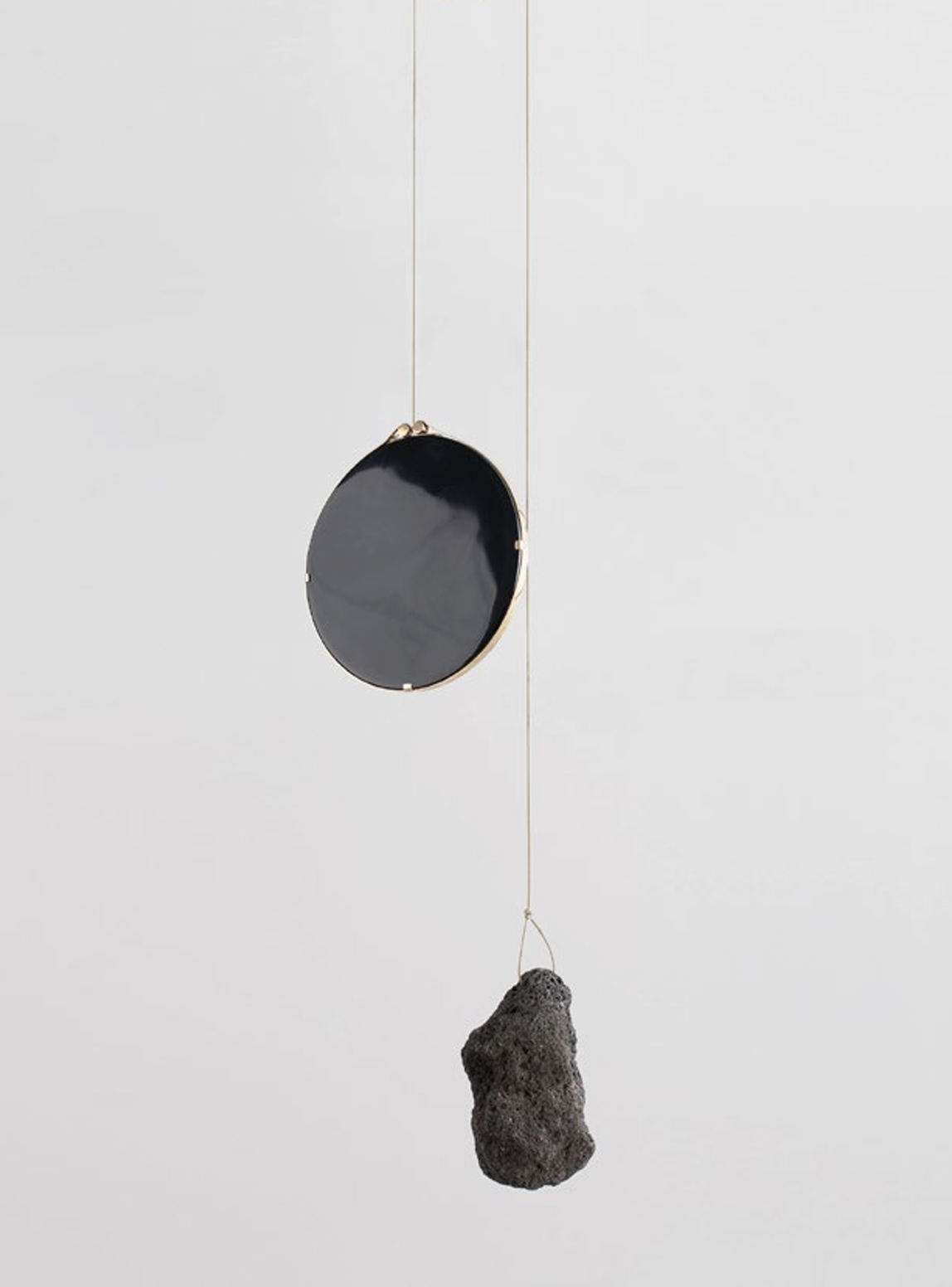
Obsidian furniture attachment, Roman, Early Imperial, Augustan, ca. 25 BCE–10 CE, Obsidian, The Cesnola Collection, Purchased by subscription, 1874–76, The Metropolitan Museum of Art, 74.51.5871.
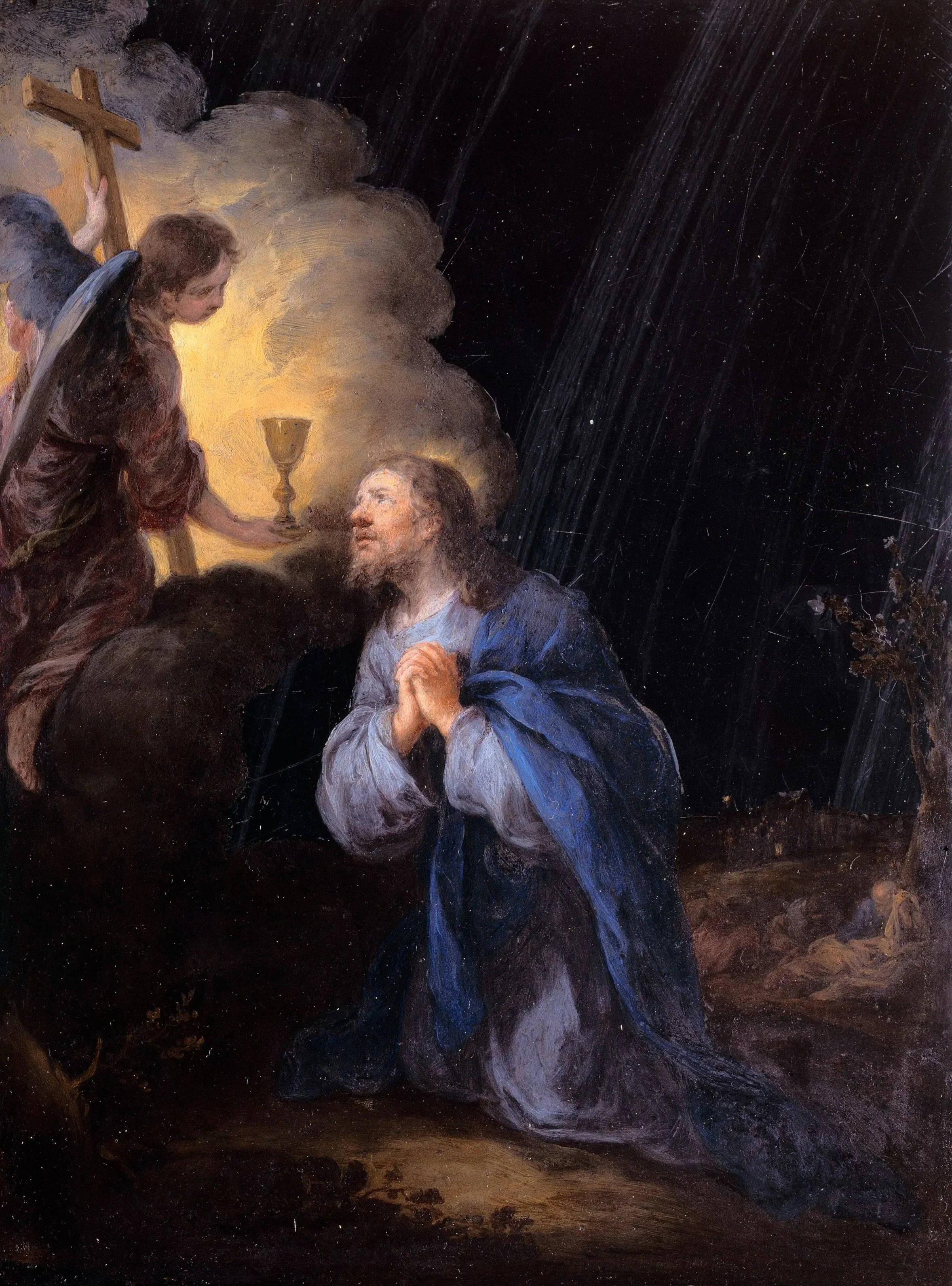
Christ in the Garden of Olives, Bartolomé Esteban Murillo (Séville, 1617–1682), ca. 1670, Oil on obsidian, Louvre, INV 931, © RMN-Grand Palais / Art Resource, New York.