The wax whisperers
Rose Camara
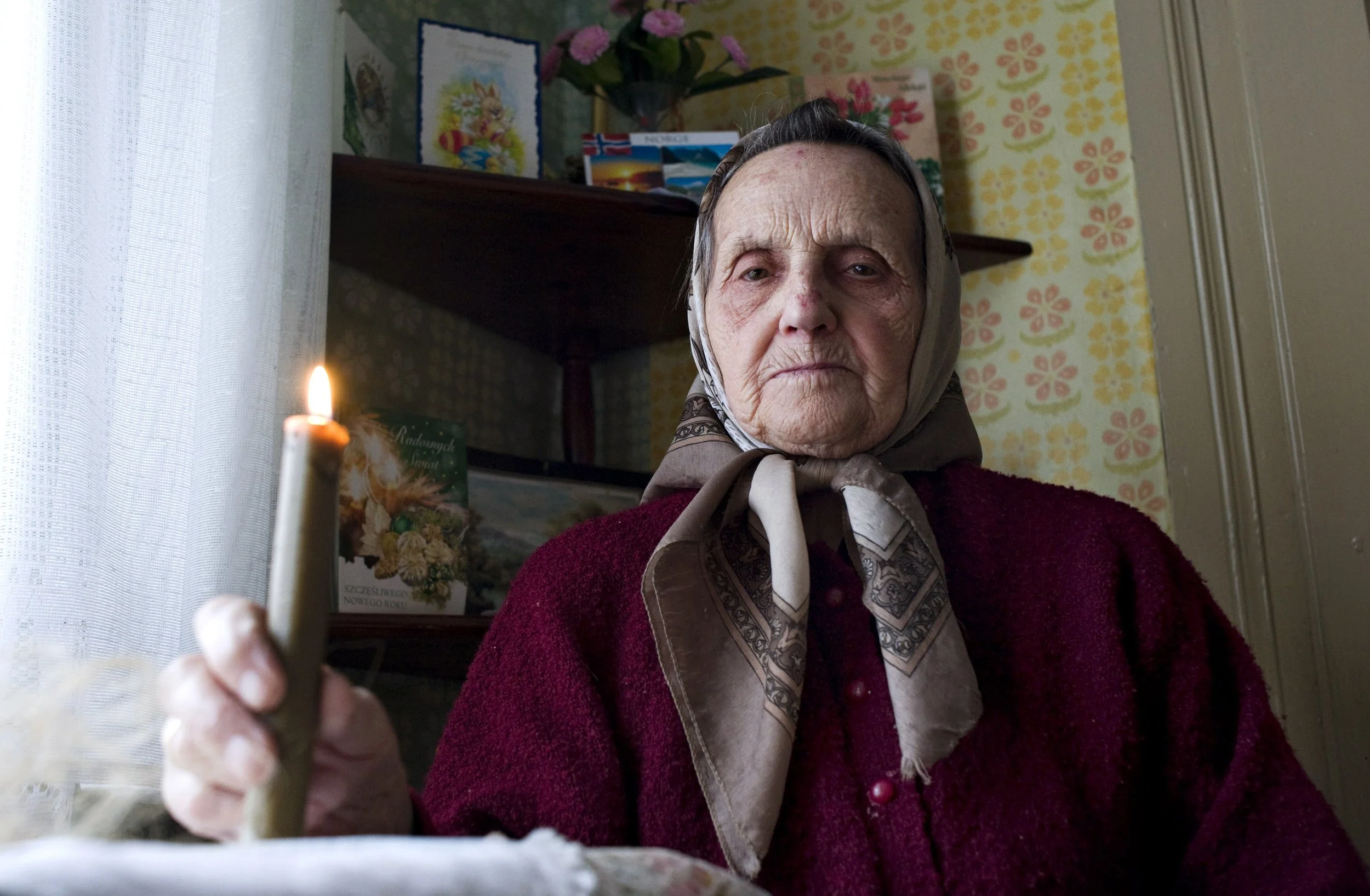
Szeptucha Artemiuk Paraskiewa. Parczew, 2010. Szeptucha Artemiuk Paraskiewa zamawia choroby. Modli sie i pali len. 0429916031 - Andrzej Sidor / Forum.
Divination, while spiritual in nature, is also a material practice. Among the many diverse methods that have existed, both historically and today, are osteomancy (the examination of bones), xylomancy (based on patterns in wood), tasseomancy (reading tea leaves) and hydromancy (studying currents in water). Another particularly ancient form of divination is ceromancy: pouring molten wax into water and then analyzing the solidified wax nugget, or alternatively, observing wax drippings as they descend on a candlestick. This practice may have stemmed from a similar form of divination involving the pouring of molten lead or tin into water. The essential information is in the wax itself, and the images that it manifests.
Ceromancy is found in belief systems across the world, including modern paganism, witchcraft, Wicca, Hoodoo, and traditional healing practices such as the Pagtatawas ritual of the Philippines. It is also popular in Eastern Europe, where pagan magic intermingles with Christianity. In the Polish Catholic folk calendar, St. Andrew’s Day or Andrzejki (November 29th) marks a time of liminality, an auspicious moment of fortune telling. One of the most popular Andrzejki activities, especially among unmarried women and girls, is a form of ceromancy focused on marriage prospects.
The ritual (lanie wosku, “wax pouring”) consists of breaking up a candle, heating wax in a pot and pouring it into cold water through the hole of a skeleton key, straw, or the bristles of a broom. Once the wax has solidified, it is removed from the water and held up to a light in order to cast a shadow on a wall or stretched piece of cloth. The wax’s shadow may suggest the likeness of a cat, signifying spinsterhood; a man, indicating a successful match with a partner; a bird, presaging a wedding sometime soon.
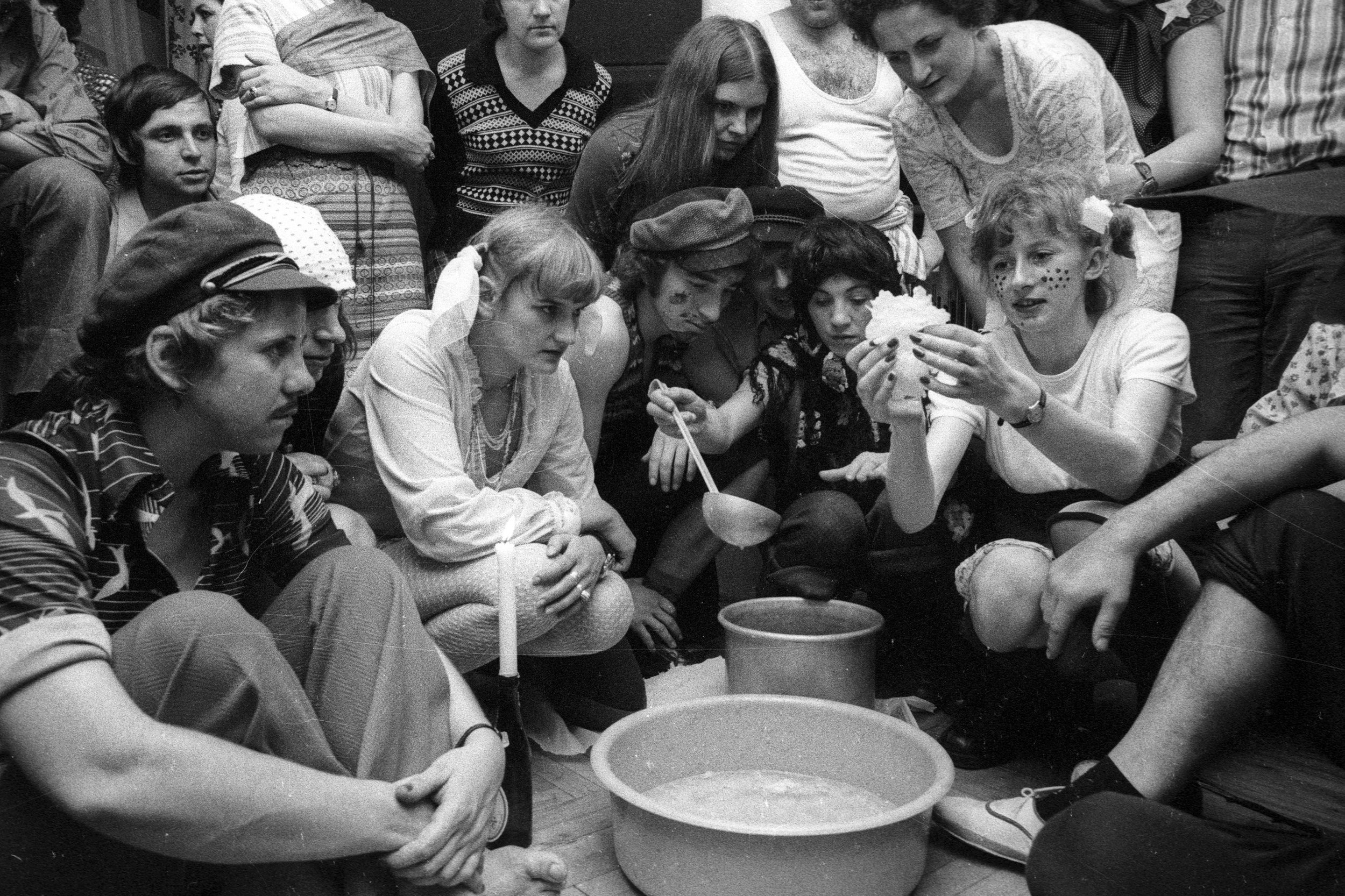
Warszawa, 1976. Andrzejki w klubie, lanie wosku. (Warsaw, 1976. St. Andrew’s Day in the club, pouring wax). 0458059334 - Jacek Barcz / Forum.
Orthodox Christianity in Eastern Europe also has a place for diviners, many of them being elderly women. In the Podlasie region of Poland, people travel from all over the country to visit szeptuchy (“whisperers”), so named because of the prayers that are said during their rituals. Echoing the timeless struggle between good and evil, the role of the szeptucha is primarily that of a healer, but also to fight against witchcraft or “black magic.” With the aid of ceromancy, she can treat all manner of afflictions such as skin diseases (róża, or “rose”, a rash) and pain (przewianie or “the chills”, shivers or physical pain caused by a cold wind), as well as fright and anxiety disorders (przestrach and nerw-kołtun).
The candles used in these rituals are often blessed in churches during the celebration of Candlemas. It is traditionally maintained that candles used in churches and by the congregation are made of 100% pure beeswax, which symbolizes the purity of the soul. Krzysztof Ulanowski, lecturer at the University of Gdańsk describes the healing ritual like this:
The head of the person who is scared is sometimes covered with a handkerchief, a pot of cool water is placed on it and melted wax is poured into it to solidify immediately. This is important because the healer can take it out of the water and guess from its shape who the perpetrator of the affliction was. Finally, in many cases, the disease can be overcome and abandoned at a special place, preferably ‘at a crossroads.’
The wax is seen as the embodiment of the ailment, drawing the illness out of the body. The discovery of “who” is the cause of illness or misfortune stems from an old belief that diseases and ailments are curses cast by witches or the “evil eye.” In addition to offering prayers, ritualistic guidance, and a healing touch, this wax-based divination is empathetic, providing those in need with a caring listener.
Swedish anthropologist Galina Lindquist observes that “'folk medicine' so defined has been called to treat not primarily biomedically defined diseases but a much broader range of social, psychological, and existential afflictions, of which physical ailments were only a small part.” Despite the positive impact that traditional szeptuchy can have on a community, and their frequent cooperation with local priests, or batiuszka, their reputation can turn negative when misfortune occurs elsewhere in the community. The healer is then cast as a witch, her work blamed on the bidding of the Devil.
As seen in Polish folk practices, ceromancy is hope rendered in physical form. The wax pouring rituals encapsulate the intergenerational power of women, which has persisted for thousands of years, bridging the gap between ancient and contemporary knowledge. Seeking answers, healing, and help is, and always has been, a natural human tendency.
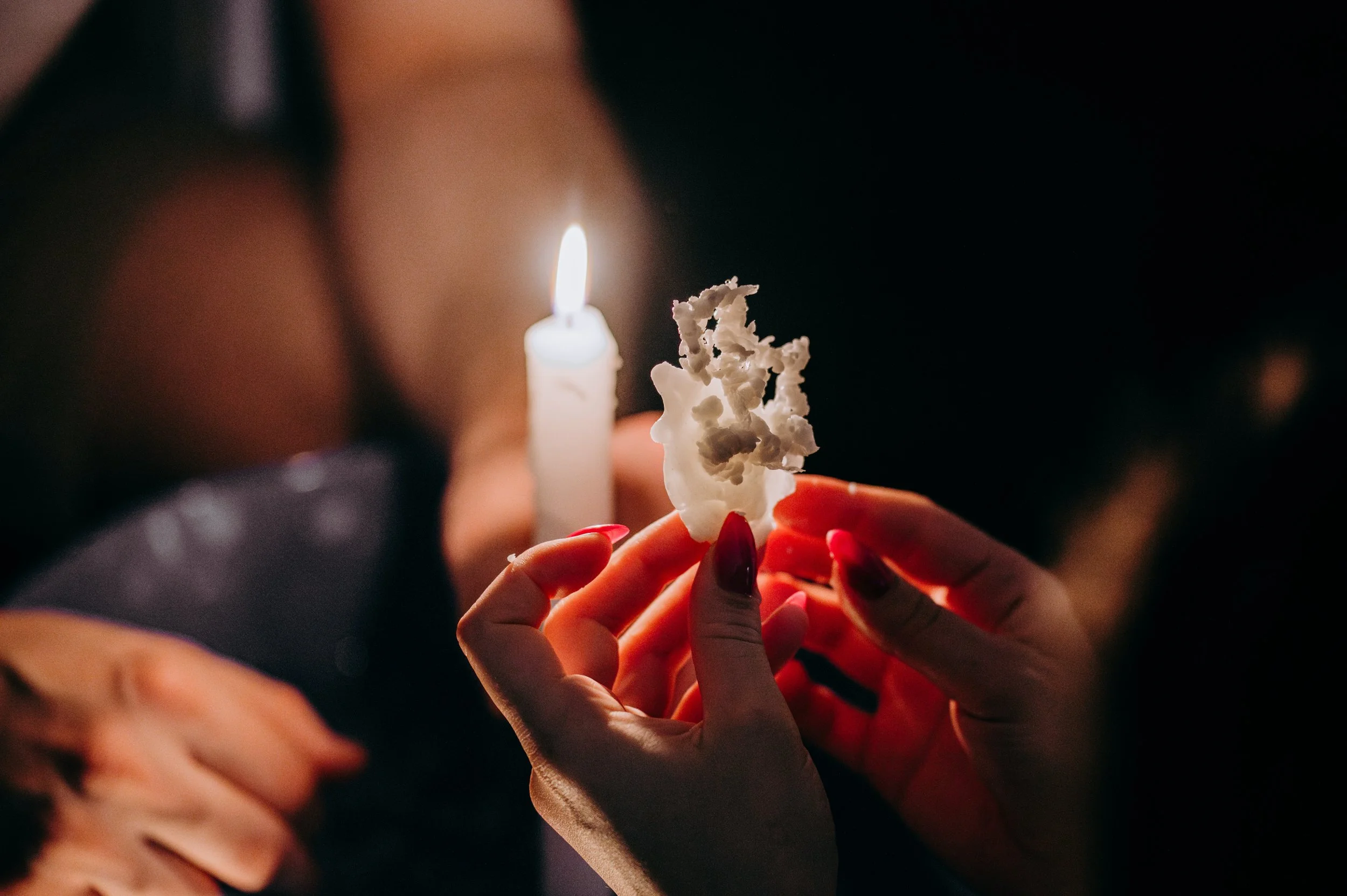
Wró˙zby Andrzejkowe (St. Andrew’s Day fortune telling). © rozentuzjazmowany / Adobe Stock.